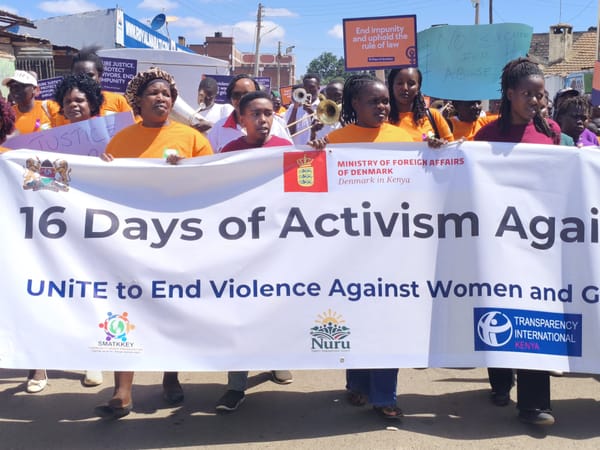
HKSAI Joins Stakeholders in Kibera Lainisaba to Champion the Fight Against Gender-Based Violence During 16 Days of Activism on 25th November,2026.
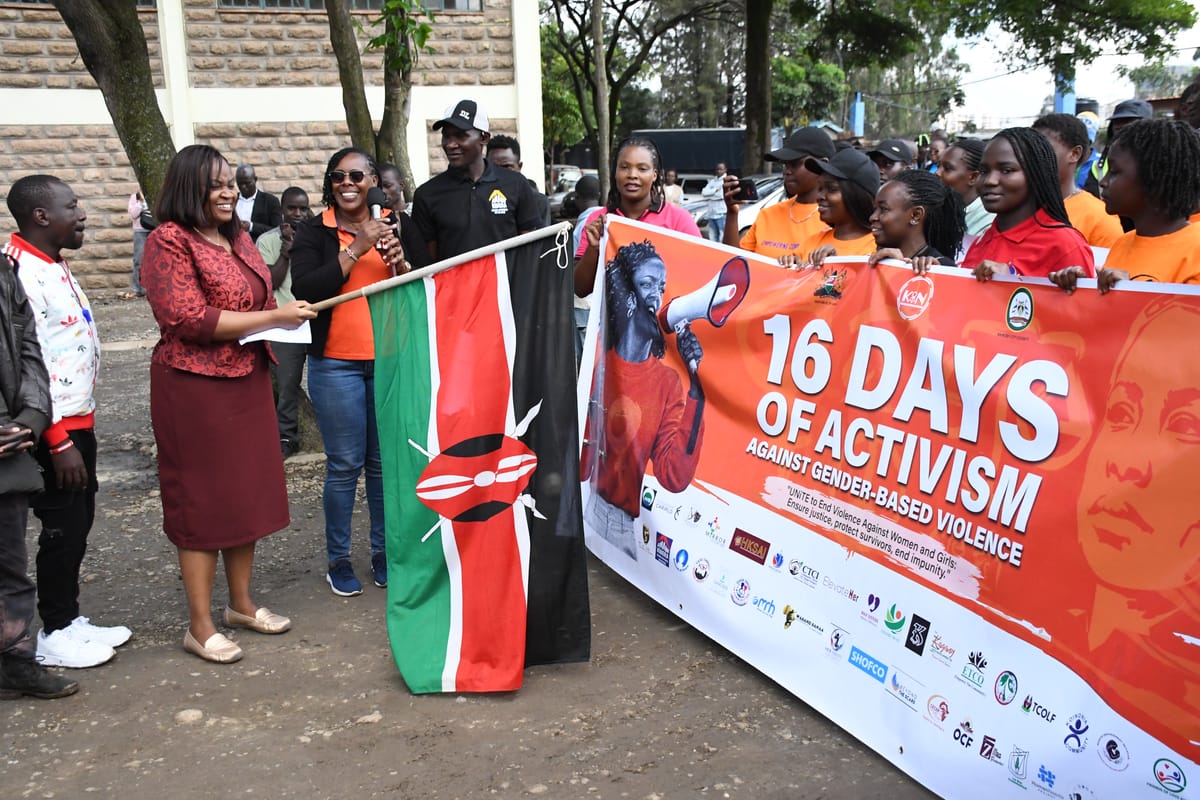
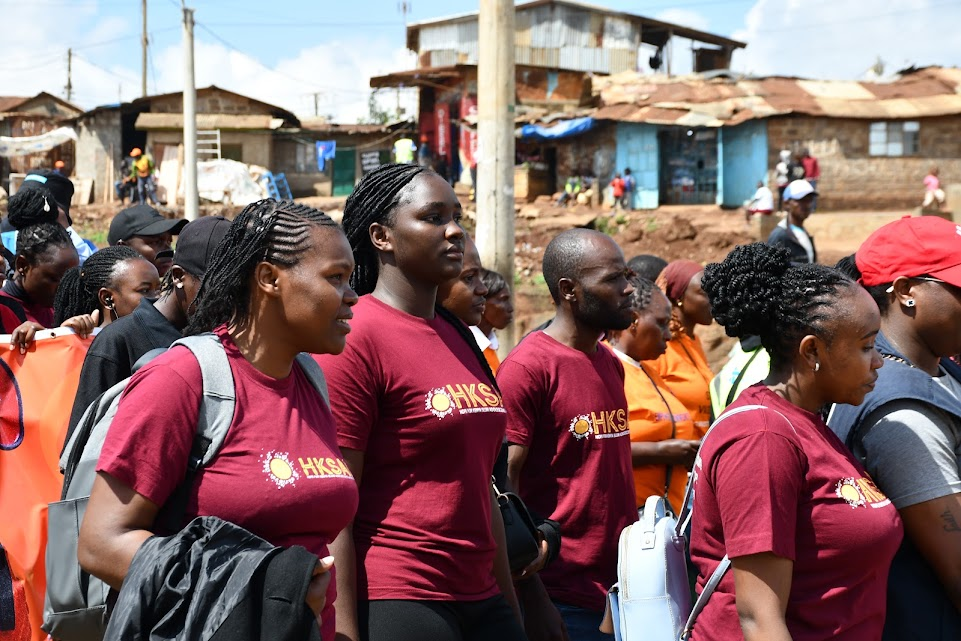
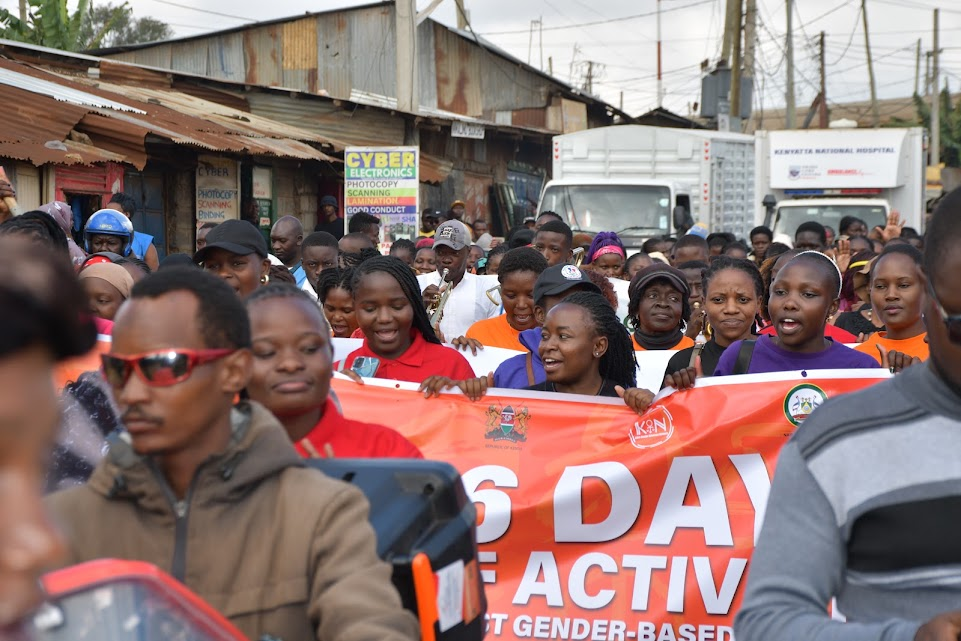
Hope for Kenya Slum Adolescents Initiative (HKSAI yesterday joined community-based organizations, government representatives, security agencies, development partners, and other stakeholders in Kibera for an engagement marking the 16 Days of Activism Against Gender-Based Violence (GBV).The gathering brought together different actors working within the community to address the growing concerns surrounding gender-based violence, discuss challenges affecting survivors, and explore practical approaches to strengthening prevention, reporting, protection, and access to justice.The engagement provided a platform for participants to share experiences, highlight gaps in existing response mechanisms, and reaffirm their collective responsibility in creating safer communities for women, girls, children, persons with disabilities, and other vulnerable groups.
Bringing Stakeholders Together to Address Gender-Based Violence
The engagement brought together representatives from various organizations and government institutions, including SHOFCO, the Office of the Assistant County Commissioner (ACC), local administration, CREAW, Elevate Her, and the Kibera Gender Advocacy Network (KGAN), among other community partners. The Guest of Honor, Magistrate Irine Kahuya, joined the discussions, further highlighting the importance of justice and institutional support in addressing gender-based violence .Among the organizations represented were HKSAI, Awoche, Making a Difference Sisters, Beacon of Hope, Andolo Bridge Community, Elevate Her, Her Ability Initiative, Living Spring Initiative, Community Thrive for Change Initiative (CTCI), CERT, Umande Trust, Sheer Health in Community, Mirror of Hope CBO, Amani Kibera, Human Needs Project, Beyond the Scars, AVSI Foundation, Ushirika Medical Clinic, SHOFCO, Wasanii Sanaa, Vumilia for the Disabled, and CREAW.
Understanding the Common Forms of Gender-Based Violence in Communities
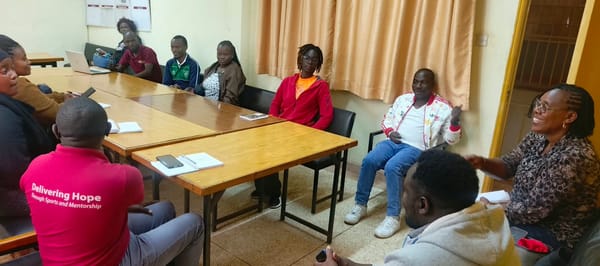
During the session the members from different organizations and rank held a panel discussions focused on the forms of violence commonly experienced within communities .Participants highlighted domestic violence, sexual violence, child neglect, and psychological or mental violence as some of the concerns affecting families and vulnerable individuals. Shakila Omondi from SHOFCO identified domestic violence as a significant concern, while discussions also highlighted how unemployment, financial difficulties, and the inability to provide basic household needs can contribute to frustration and conflict within families. The conversation further addressed teenage pregnancies, sexual violence against children, and the worrying practice of families interfering with investigations or tampering with evidence in an attempt to protect perpetrators. These discussions emphasized the need to break the silence surrounding GBV and strengthen community awareness so that cases are reported and addressed appropriately. The OCF Organization presented a skit on the GBV theme showing what people in the communities societies go through.
Strengthening Government and Community Response Mechanisms
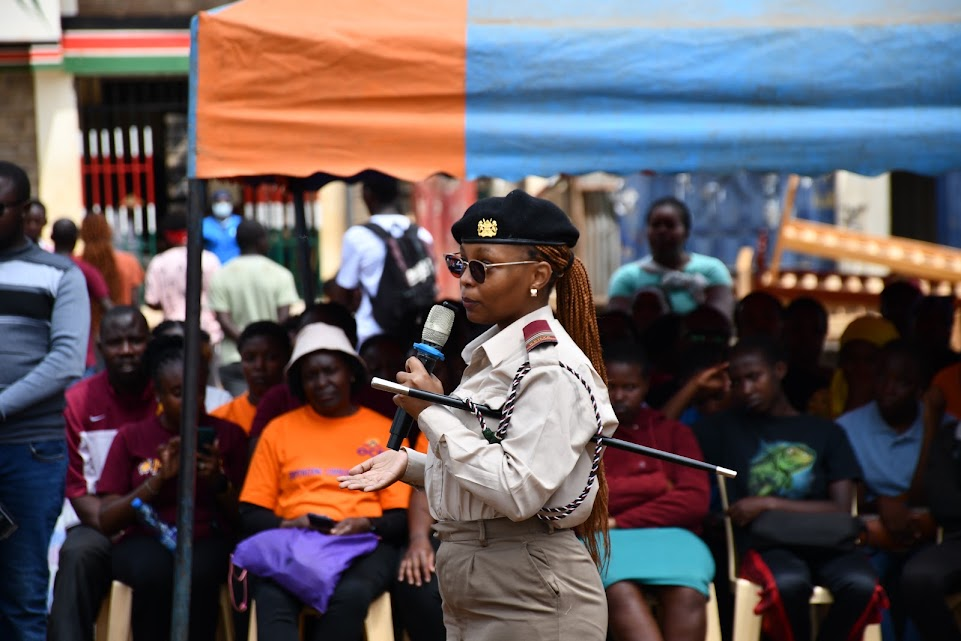
Representatives from government institutions highlighted the role of both national and county governments in addressing gender-based violence. The discussion acknowledged the existence of gender desks and ongoing efforts to strengthen institutional responses. However, challenges such as inadequate staffing, limited office facilities, and insufficient personnel handling gender-related cases continue to affect service delivery. The Assistant County Commissioner also emphasized the importance of training and collaboration among stakeholders to improve the identification, reporting, and management of GBV cases .Local administration representatives, including the Assistant Chief, encouraged community members to speak out and seek guidance whenever cases of violence occur, noting that many incidents remain unreported because survivors and families do not know the appropriate steps to take.
Promoting Inclusion and Protecting Persons with Disabilities
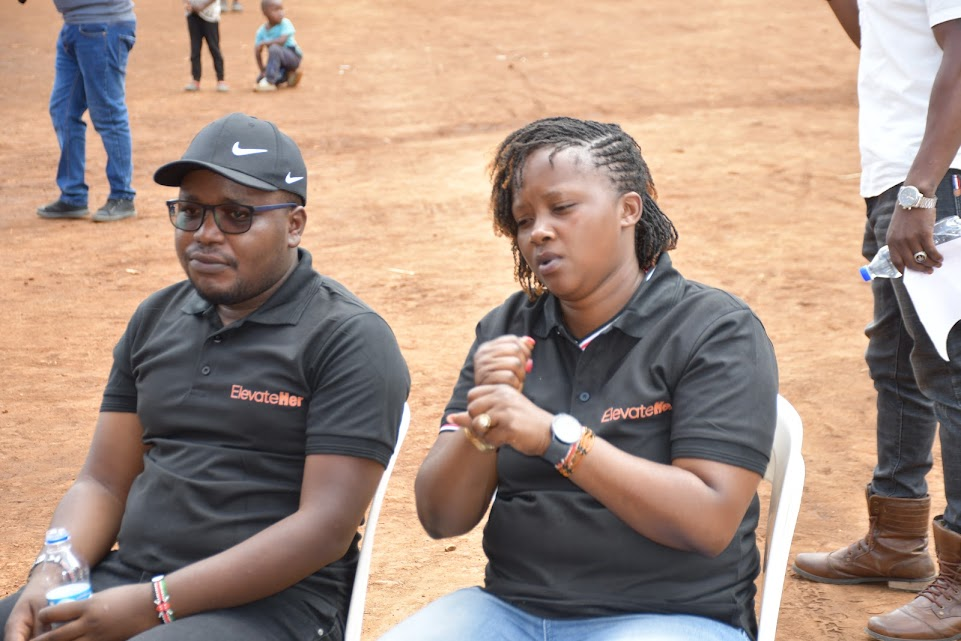
The engagement also highlighted the need to ensure that GBV prevention and response initiatives are inclusive and accessible to everyone.Juliet Muema from Elevate Her emphasized the experiences of persons with disabilities (PWDs), drawing attention to the heightened vulnerability they may face in situations involving gender-based and sexual violence. The discussion highlighted the importance of deliberately including persons with disabilities in awareness campaigns, community activities, reporting mechanisms, and access to justice. Stakeholders stressed the need for stronger collaboration between disability-focused organizations, community structures, and law enforcement agencies to ensure that survivors with disabilities can identify abuse, report incidents, and access appropriate support.
Strengthening Access to Justice and Survivor Support
Access to justice and the protection of survivors formed another significant part of the engagement. Adrian Wangatia from CREAW highlighted the importance of supporting GBV survivors in accessing legal assistance and psychosocial support. The discussions also emphasized the need to prevent informal settlements of serious GBV cases, commonly referred to as kangaroo courts, where families or community members may attempt to resolve criminal cases outside the formal justice system. Participants were encouraged not to deny survivors justice through family arrangements, intimidation, or interference with investigations. CREAW's free legal clinics were also highlighted as an avenue through which survivors can seek legal guidance and understand their rights. Stakeholders further encouraged community members, including neighbours and witnesses, to report suspected cases and provide witness statements without fear or intimidation.
Understanding the Steps to Take When GBV Occurs
An important part of the engagement focused on practical steps that survivors, families, and community members should take when gender-based violence occurs.
Participants highlighted the following key actions:
- Seek immediate medical attention: Survivors of sexual violence should access medical care as soon as possible. The discussions emphasized the importance of seeking urgent medical attention, particularly within the first 72 hours.
- Report the incident to the police: Reporting helps initiate the appropriate investigation and legal response.
- Seek psychological support: Survivors need emotional and psychological support as part of their recovery and healing process.
- Speak out and seek assistance: Survivors and witnesses were encouraged not to remain silent but to reach out to trusted individuals and relevant support organizations.
The discussions also emphasized the importance of parents maintaining open communication with their children, creating safe spaces where children feel comfortable sharing their experiences and reporting abuse.
Addressing the Challenges Faced by Men and the Boy Child
The engagement also recognized that gender-based violence affects different members of society and that men and boys should not be left out of prevention and response efforts. Ken Kariuki from AVSI Foundation raised concerns about the underreporting of cases involving men, noting that many male survivors may remain silent due to stigma, fear, and societal expectations. Participants called for increased awareness targeting men and youths, encouraging men to engage fellow men, create safe spaces for conversations, and seek support when experiencing violence. The discussions also highlighted the need to ensure that concerns affecting the boy child are addressed fairly and that all survivors receive appropriate support regardless of gender. Celine from Mirror of Hope further proposed the use of men's barazas as an avenue for engaging men separately, encouraging open conversations, and promoting positive involvement in preventing gender-based violence.
Strengthening Community Responsibility in Preventing GBV
The discussions reinforced the importance of community participation in preventing and responding to gender-based violence. Participants emphasized that addressing GBV should not be left to government institutions and organizations alone. Families, neighbours, community leaders, schools, and individuals all have a responsibility to identify warning signs, report abuse, and support survivors. The need for stronger collaboration between parents, local administration, children's services, law enforcement agencies, and community organizations was also emphasized. The engagement further raised important questions about the long-term support available to survivors, the capacity of existing institutions, and the need to ensure that vulnerable children receive protection and appropriate care when their caregivers are unable to provide it.
A Collective Commitment to Ending Gender-Based Violence
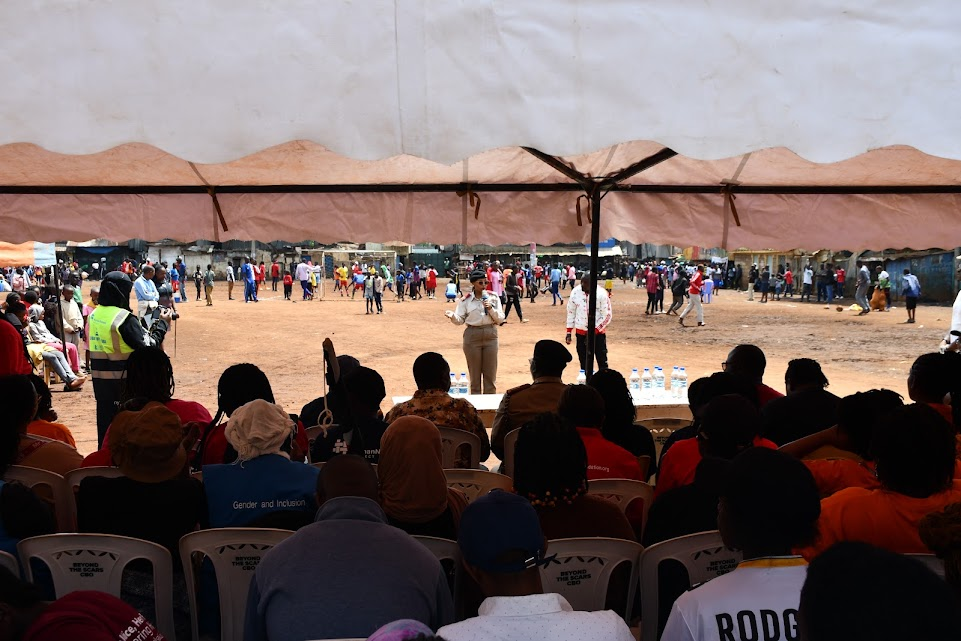
The engagement concluded with a renewed call for collective responsibility, stronger reporting mechanisms, inclusive awareness creation, and improved access to justice and survivor support services. For HKSAI, participating in such community engagements reinforces the importance of working alongside other stakeholders to address the challenges affecting vulnerable populations. As the 16 Days of Activism continues, HKSAI remains committed to advocating for the protection of children, adolescents, women, and other vulnerable members of society while supporting efforts to build communities where everyone can live free from violence, abuse, and discrimination.
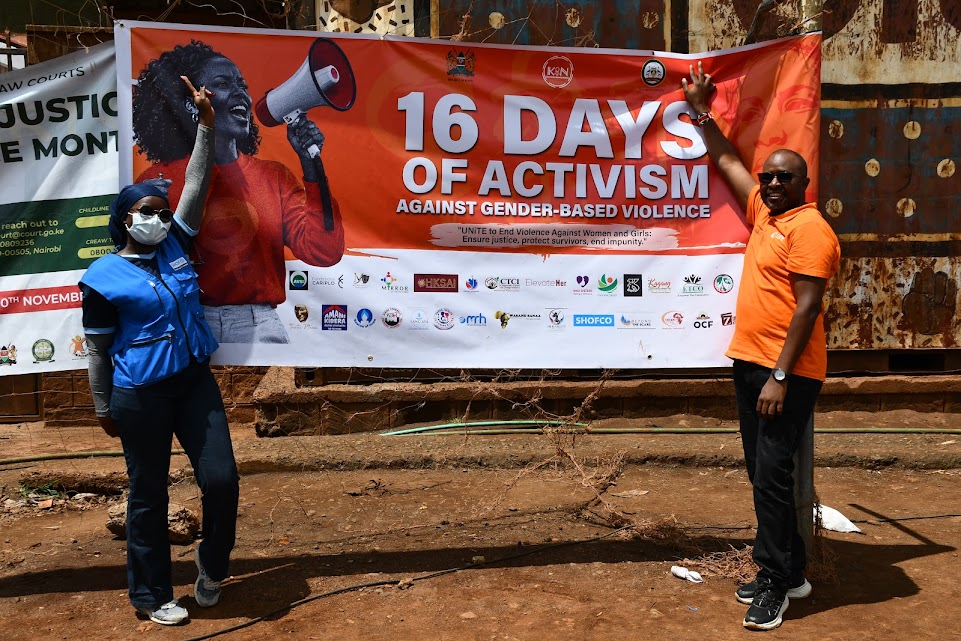
Ending gender-based violence requires more than awareness; it requires action, accountability, inclusion, and a community that refuses to remain silent. Together, we can break the silence, protect survivors, and build safer communities.