Kibera Unites: A Powerful Stride Against Gender-Based Violence and Child Abuse
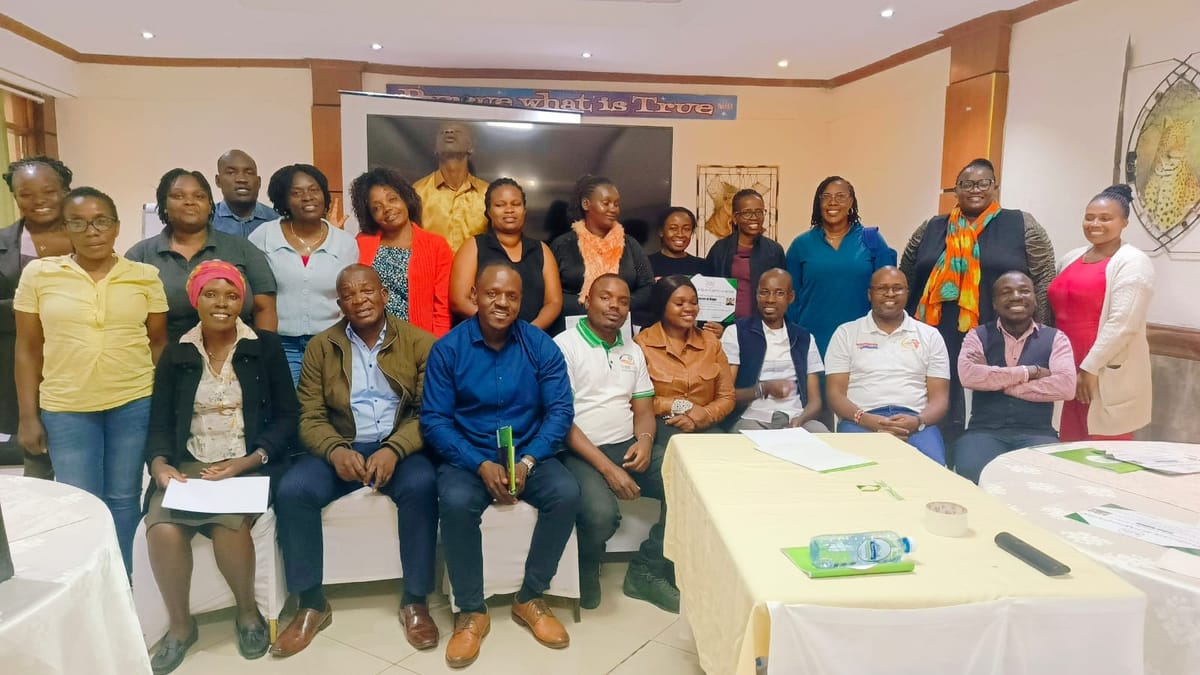
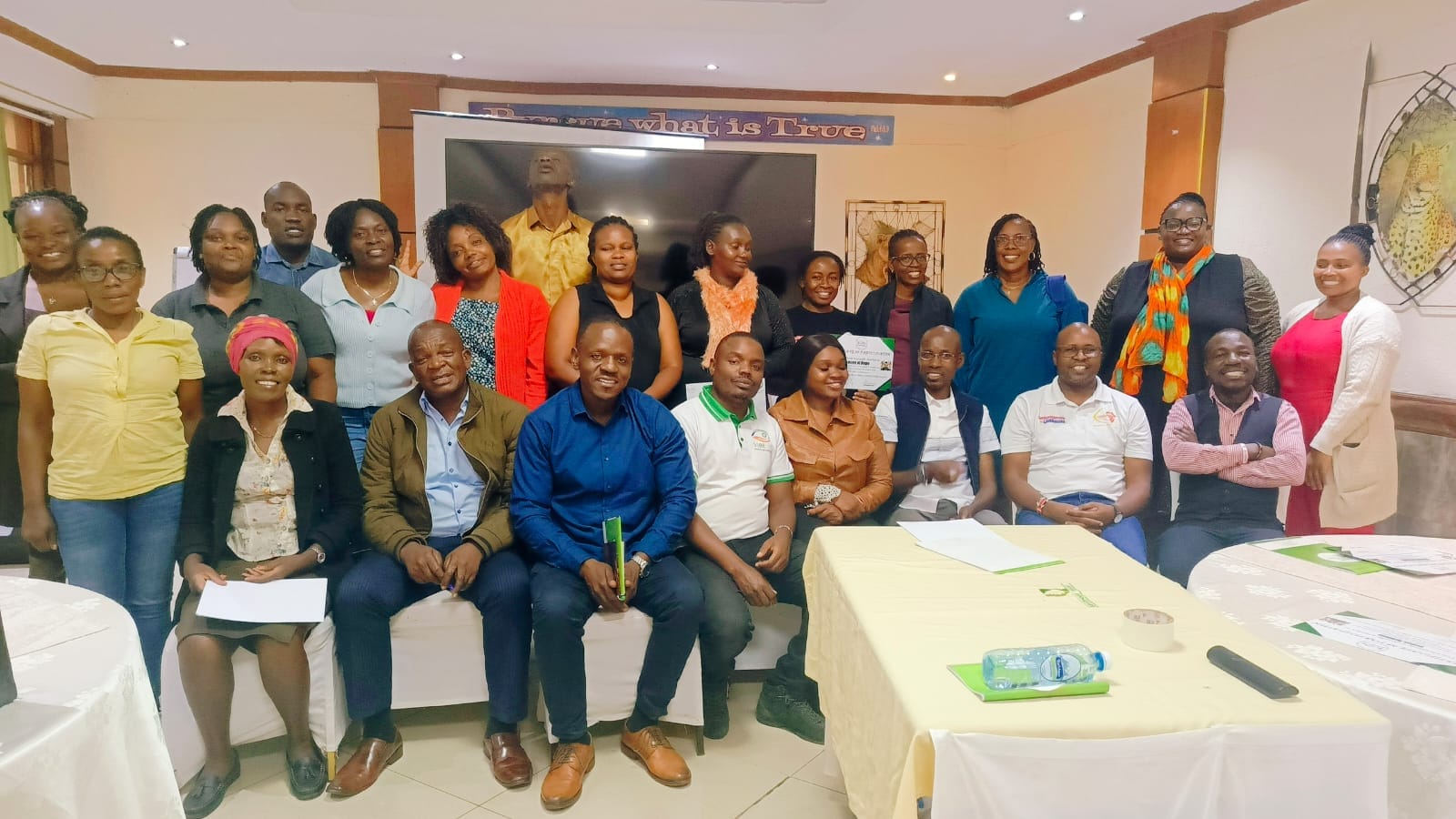
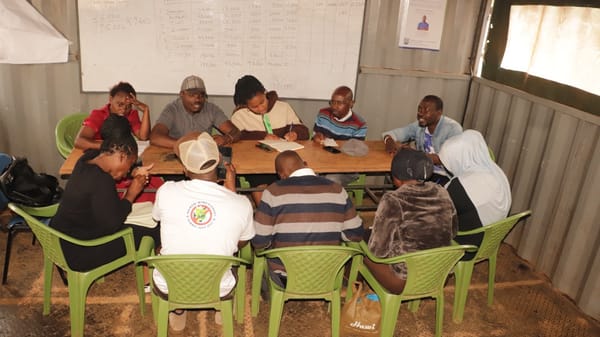
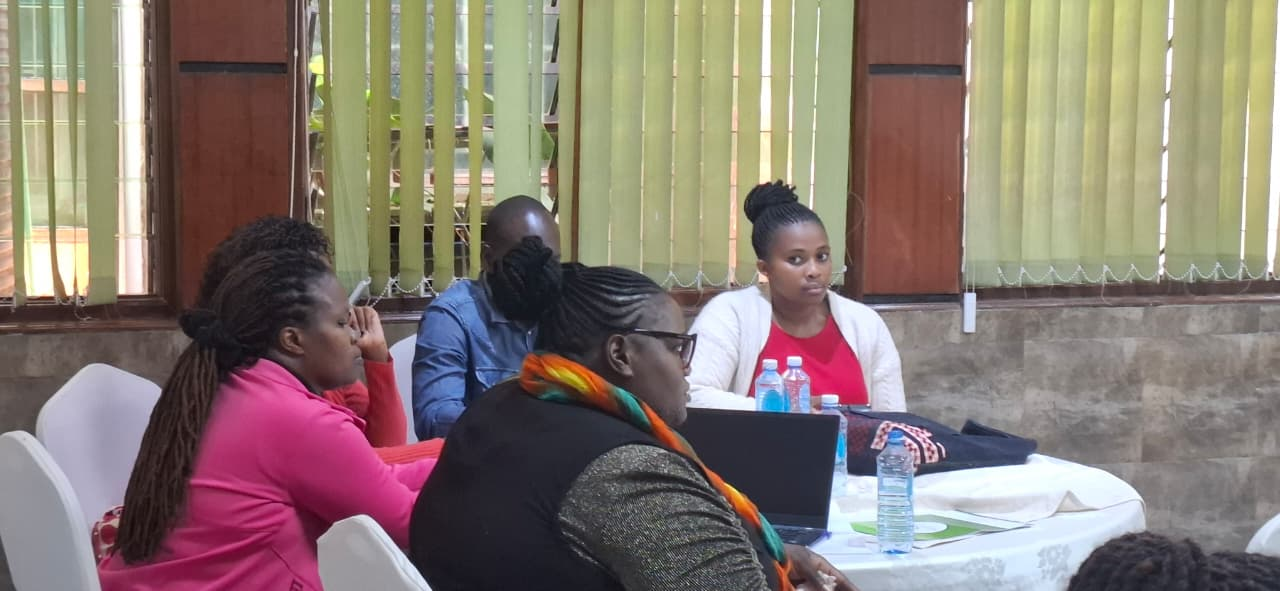
Kibera, Kenya – In a significant move towards a safer and more equitable future, the Kibera Gender and Advocacy Technical Working Group (TWG) convened on March 18, 2026, at Grace House Resort. This pivotal gathering united 35 dedicated representatives from community-based organizations, civil society groups, and government institutions, including Hope for Kenya Slums Adolescents Initiative (HKSAI) represented by Timothy Wesonga, across Kibera and Lang’ata. The core mission was to forge stronger alliances, enhance partnerships, and streamline coordination in the relentless fight against gender-based violence (GBV) and to champion advocacy for vulnerable populations.
Unveiling the Challenges: A Deep Dive into GBV Trends
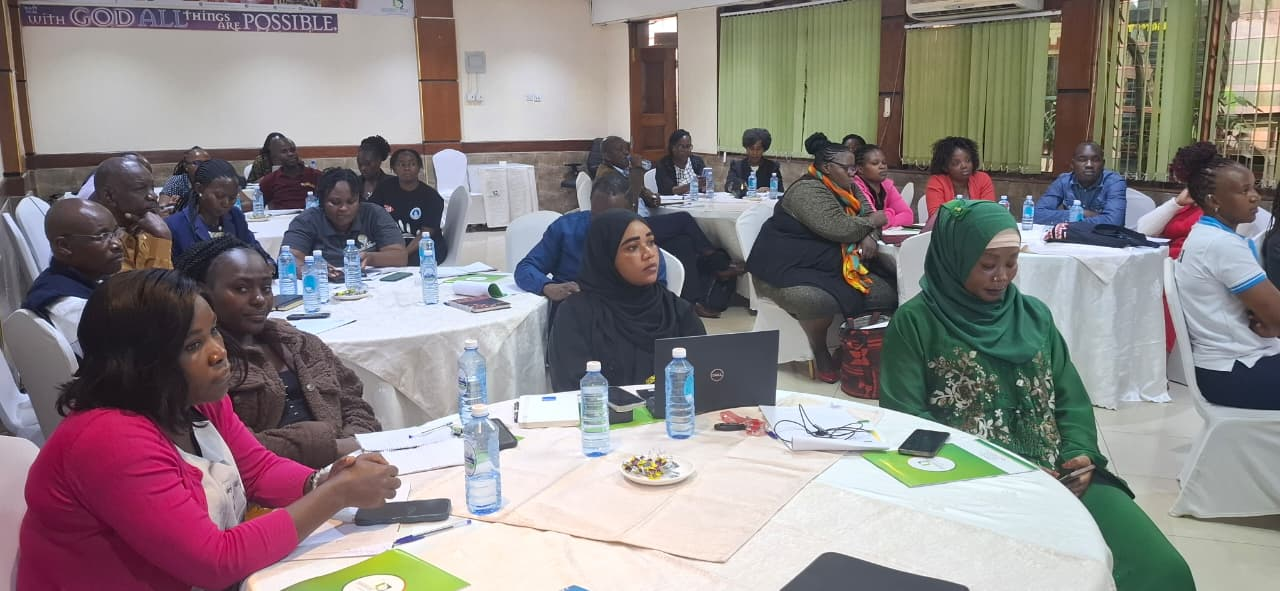
The day-long session, kicking off at 9:30 AM, served as a critical forum for a comprehensive review of GBV trends plaguing Kibera. Stakeholders from diverse sectors—including the sub-county gender office, health, education, children’s department, probation office, law courts, administration, and civil society—shared invaluable, sector-specific updates, painting a vivid picture of the current landscape.
CREAW's Vision: Empowering Women and Girls
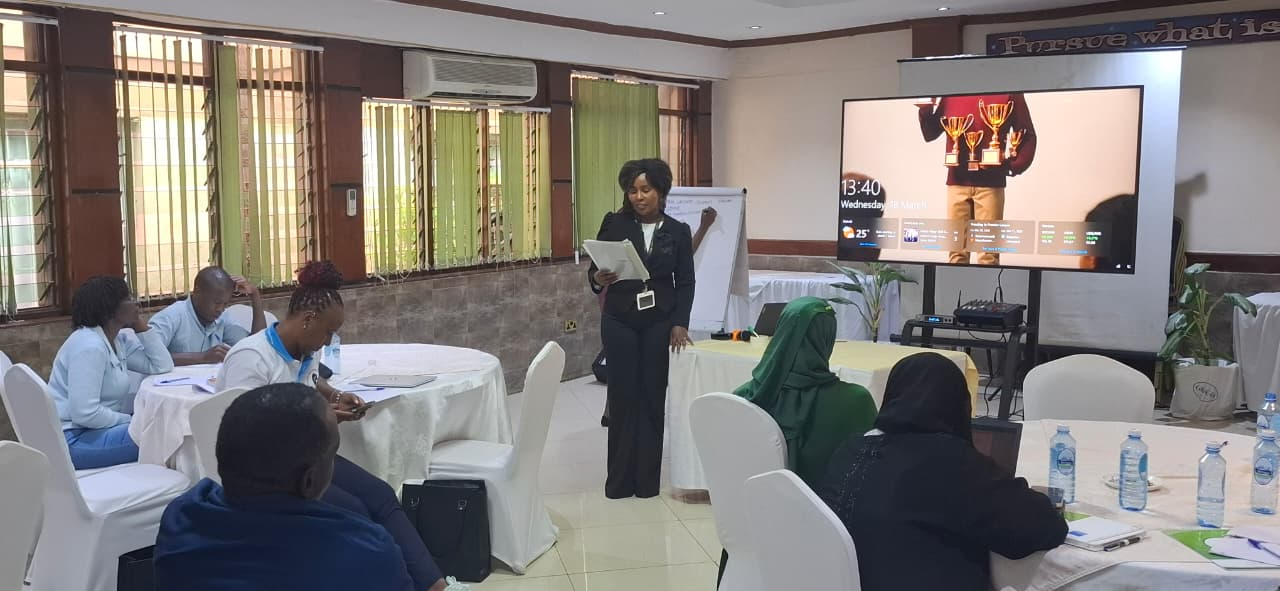
A highlight of the meeting was an inspiring presentation by CREAW, an organization at the forefront of gender equality. CREAW illuminated its five foundational pillars: eradicating violence against women and girls, fostering women’s economic empowerment, safeguarding sexual and reproductive health rights, promoting women in governance, and localizing efforts through feminist organizations. Their ambitious Jasiri Phase II program aims to transform the lives of 1,800 girls by 2028, providing crucial access to finance, skills development, legal aid, psychosocial support, and shelter services, all underpinned by robust policy advocacy. Innovative prevention models, such as the SAA model to counter harmful community practices and the Indashikirwa model for addressing intimate partner violence, were also showcased.
The Stark Reality: Rising GBV Cases and Persistent Hurdles
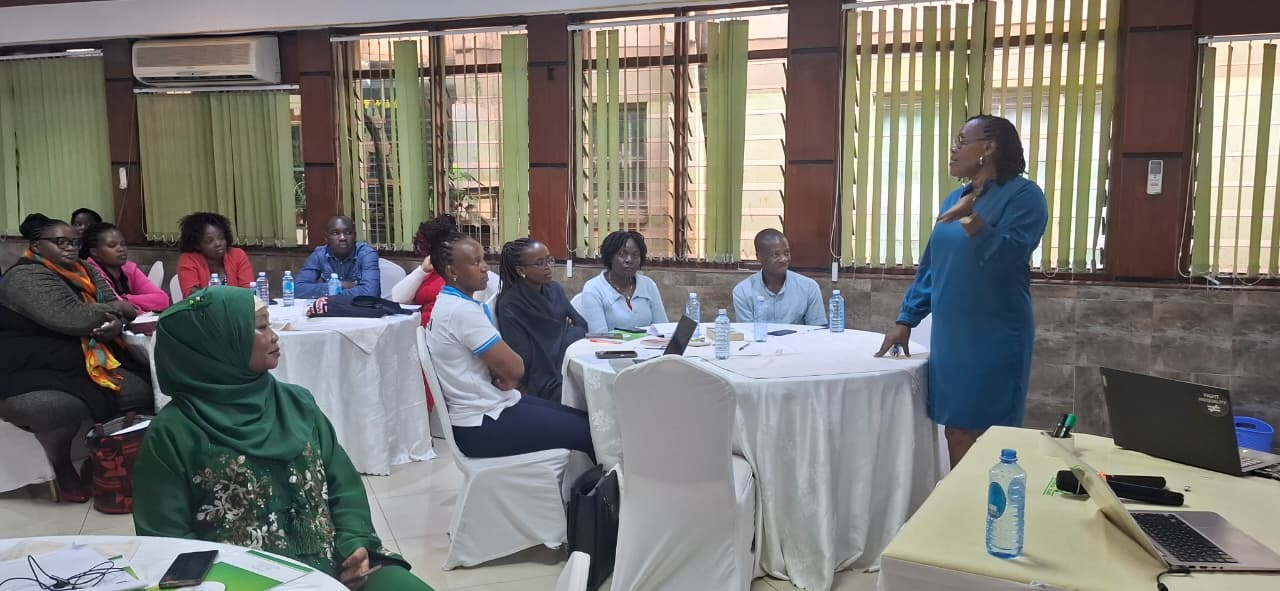
The Sub-County Gender Focal Person delivered sobering statistics: Kibera recorded a distressing 166 GBV cases between October 2025 and March 2026, a stark contrast to Lang’ata’s 46 cases in the same period. Among these, 86 survivors received vital post-exposure prophylaxis (PEP), 78 cases involved intimate partner violence, and two cases tragically affected persons with disabilities. Key challenges hindering progress include delayed reporting, a severe shortage of human resources, critical gaps in psychosocial support, disruptions caused by industrial actions in public health facilities, fragmented referral and follow-up systems, data quality inconsistencies, and the pervasive stigma that often silences victims. Yet, amidst these challenges, rays of hope emerged: the successful training of male GBV champions, targeted sensitization for persons with disabilities, and enhanced capacity building for police officers in GBV response, all made possible through the unwavering support of partners like SHOFCO and CFK Africa.
Protecting Our Future: Insights from Education and Child Services
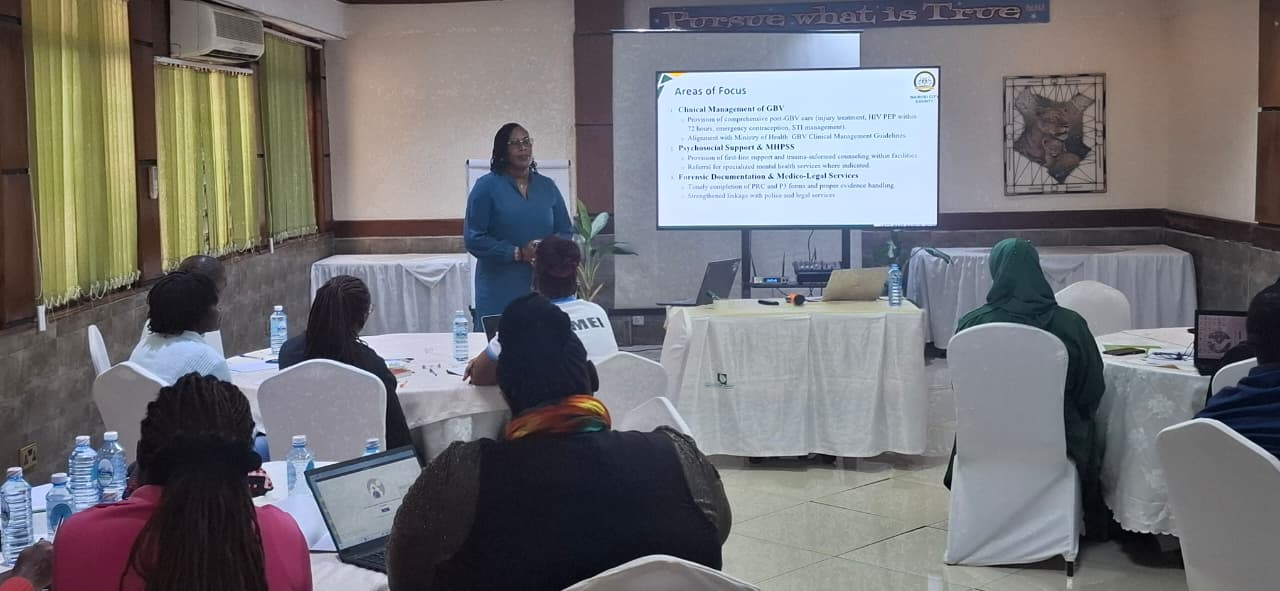
The education sector reported proactive engagement with four schools—Joash Olum and Lang’ata West in Lang’ata, and Olympic Primary and Kibera Primary in Kibera—during the second quarter. Future initiatives include parent engagement forums designed to amplify awareness and prevention efforts. Recommendations underscored the urgent need for improved referral pathways and greater parental involvement through open dialogue. Further compounding the urgency, the Children’s Office reported 1,887 cases between July 2025 and February 2026. Neglect (1,172 cases) topped the list, followed by physical abuse (126), defilement (57), parental child abduction (53), missing children (49), child truancy (55), abandoned cases (32), child delinquency (22), sexual assault (22), and child pregnancy (18). The imperative for a standardized documentation template to bolster data management and reporting was strongly emphasized. For urgent assistance, Hilda Mbatha (0725601456) serves as the contact for the Kibera office, and Amos Mwita (0752968109) for the Lang’ata office.
Justice Delayed, Not Denied: Updates from the Kibera Law Courts
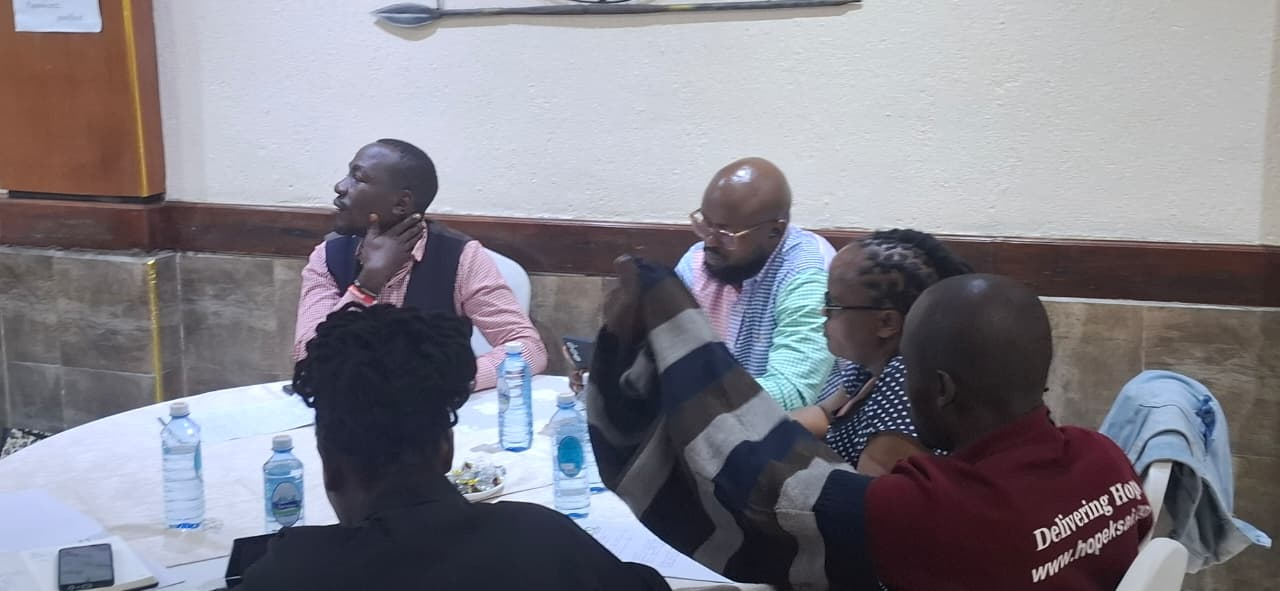
Updates from the Kibera Law Courts highlighted the enduring struggle with GBV cases: 135 in 2023, 120 in 2024, 65 in 2025, and 15 cases reported thus far in 2026. Approximately 100 cases remain pending, with a critical challenge being the loss of police files, which severely impedes effective case follow-up. Nevertheless, the courts have made commendable strides by establishing child-friendly spaces, implementing witness protection areas, and organizing dedicated service weeks for GBV cases.
Reintegration and Rehabilitation: The Role of the Probation Office
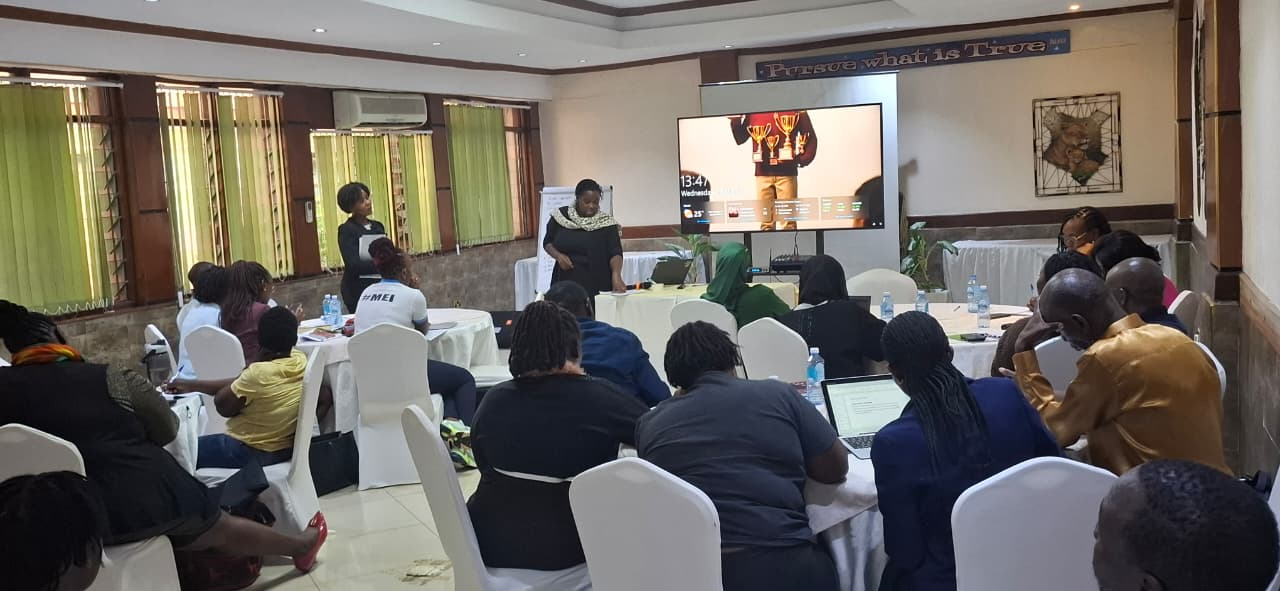
The Kibera probation office plays a crucial role in the reintegration of offenders, social crime prevention, and fostering socio-economic independence. From July to date, they have handled 28 defilement cases, 8 rape cases, and 6 indecent act cases. The office grapples with challenges such as reporting biases, the complexity of capturing emotional and psychosocial impacts, time constraints, and transport limitations. However, vital support from partners like SHOFCO has significantly enhanced transport capabilities, thereby improving service delivery.
Steering the Ship: Leadership and Financial Stewardship
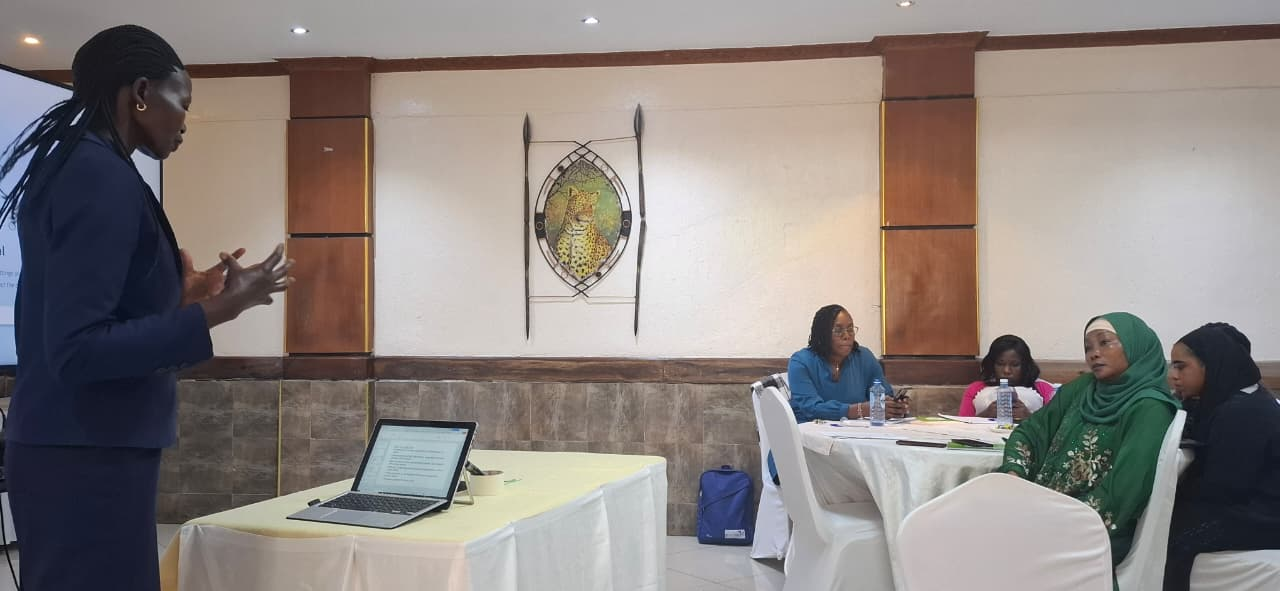
The Kibera Gender and Advocacy Technical Working Group (KGAN) is guided by a committed leadership team that was elected during the meeting held on 18th March 2026, ensuring legitimate representation and renewed direction for the network. The Patron, Lynette Kitui, provides strategic guidance, while the Chairperson, Cyprian Omoding, leads the group’s vision and implementation of activities. The Secretary, Rael Kemunto, manages communication and documentation, and the Treasurer, George Otieno, oversees financial accountability.
Role | Name |
Patron | Lynette Kitui |
Chairperson | Cyprian Omoding |
Treasurer | George Otieno |
Secretary | Rael Kemunto |
Member | Richard Otira |
Langata Representative | Benard Otieno |
PWD Representative | Juliet |
Resource Mobilization | Mariam Husein |
The leadership structure also promotes inclusivity and representation. Richard Otira contributes as a member, Benard Otieno represents Lang’ata, Juliet advocates for persons with disabilities, and Mariam Husein leads resource mobilization efforts. This diverse team strengthens coordination and responsiveness to community needs.
KGAN also demonstrates strong financial stewardship through effective fundraising and prudent resource management. Funds raised during key activities are carefully utilized, with an emphasis on saving and minimizing administrative costs. This reflects transparency, accountability, and sustainability, enabling the group to support ongoing efforts in addressing gender-based violence and strengthening advocacy in Kibera and Lang’ata.
A Unified Path Forward: Collaboration, Data, and Community Engagement
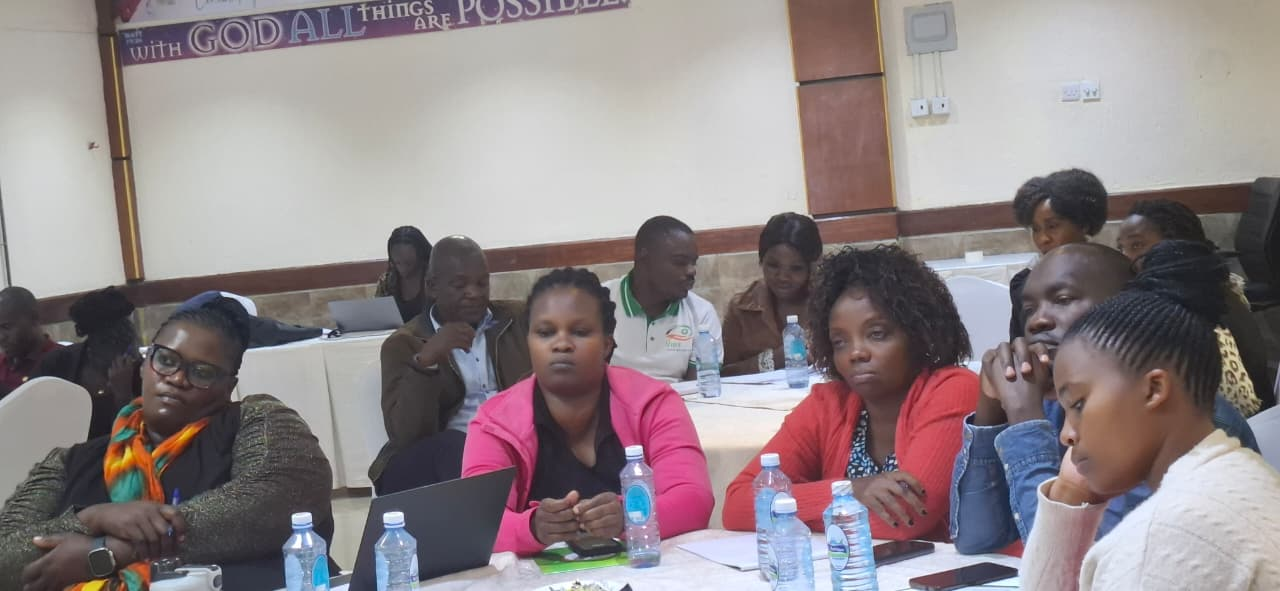
The meeting served as an indispensable platform for stakeholders to exchange critical insights, fortify existing partnerships, and harmonize their efforts in confronting GBV and its associated social challenges. Members passionately advocated for the development of a structured work plan that transcends mere international commemorative days, ensuring sustained consistency, fostering robust teamwork, and maximizing collective impact. The path ahead is clear: strengthening collaboration, refining data management systems, and deepening community engagement are paramount priorities in the collective pursuit of a safer, more just, and equitable community for all.
Visit www.hopeksai.org to learn more.