HKSAI Champions Girls’ Rights and Education During the International Day of the Girl Child 2026 Commemoration in Eldoret
Eldoret, Kenya | 11 October 2026
Hope for Kenya Slum Adolescents Initiative (HKSAI), in partnership with the County Government of Uasin Gishu, Edmund Rice Eldoret Empowerment Program (EREEP), and other development partners, joined stakeholders in commemorating the 2026 International Day of the Girl Child at the Uasin Gishu County Headquarters in Eldoret. Held under the theme “Ending Child Marriage and Investing in Girls’ Rights,” the event called for stronger collective action to protect girls, keep them in school, and create opportunities for them to realise their full potential.
The commemoration brought together government officials, elected leaders, students, teachers, civil society organisations, community groups, and development partners to address the challenges affecting girls, including child marriage, teenage pregnancy, drug and substance abuse, school dropout, harmful gender stereotypes, and limited access to educational opportunities.
The event brought together county government officials, representatives of national government institutions, Members of the County Assembly, students, teachers, civil society organizations, community-based organizations, faith-based groups, media representatives, and development partners in a collective effort to champion girls’ rights and empowerment.
A Call for Stronger Action to Protect Girls
The commemoration focused on addressing challenges that continue to affect girls across communities, including child marriage, teenage pregnancy, school dropout, drug and substance abuse, harmful gender stereotypes, and limited access to educational opportunities. Participants emphasized the need for coordinated action to ensure girls remain in school, access protection services, and achieve their full potential. The event also celebrated the achievements, resilience, talents, and aspirations of girls while creating opportunities for dialogue between young people and decision-makers. Girls were encouraged to pursue education, develop leadership skills, and actively participate in shaping their futures.
Broad Coalition of Partners Demonstrates Commitment
The commemoration showcased strong multi-sectoral collaboration. Key conveners included HKSAI, Uasin Gishu County Civil Society Network (UGCSN), Edmund Rice Eldoret Empowerment Program (EREEP), and the County Government of Uasin Gishu. Other participating organizations included Family Health Options Kenya (FHOK), SOS Children's Villages Kenya, Amnesty International Kenya, Daystar University Eldoret Campus, Stewards TV, Advocacy for Change Foundation (ACF), Elevate Livelihoods Peace and Advocacy (ELPA), Hope Water Africa (HWA), Smart Key Organization, and several community-based organizations and youth groups. Together, these institutions demonstrated a shared commitment to ending child marriage, promoting girls' education, advancing gender equality, and creating safe environments where girls can thrive.
Government Leaders Reaffirm Support for Girls
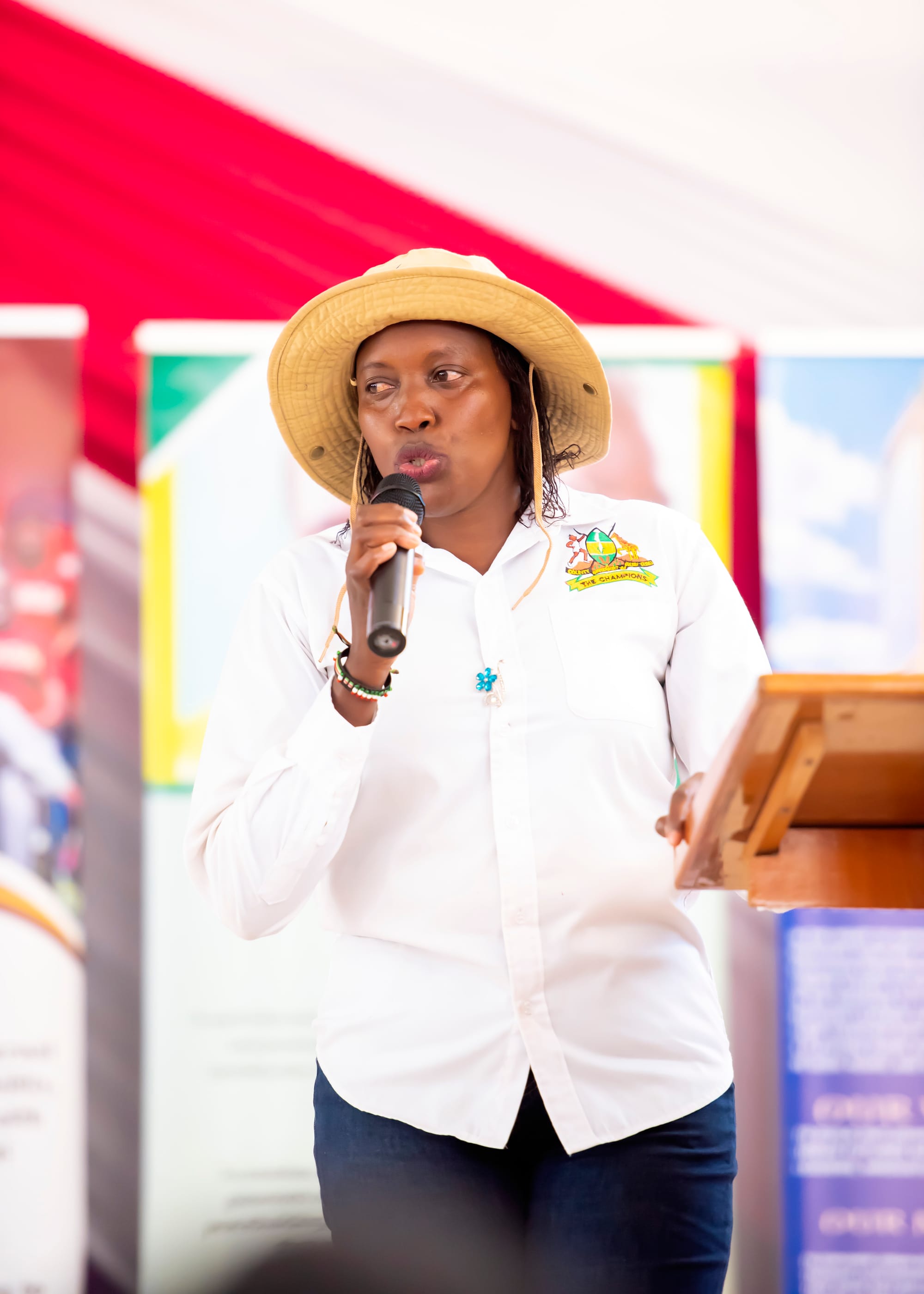
Speaking during the commemoration, Madam Emmy from the Department of Gender and Social Protection reaffirmed the County Government's commitment to promoting the welfare of girls and protecting vulnerable children. She emphasized the importance of collaboration among government institutions, communities, and development partners in addressing harmful practices affecting girls.
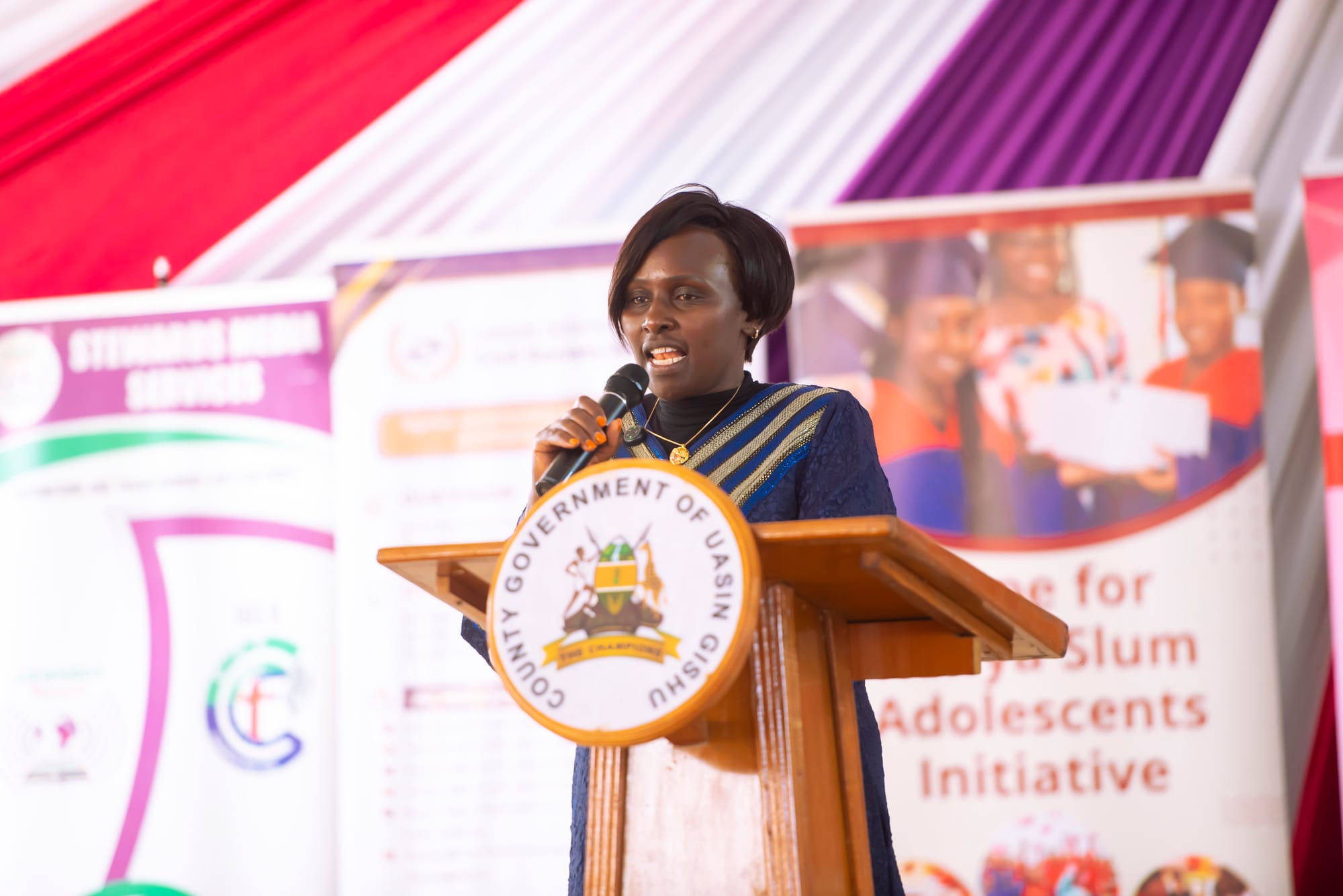
The Chief Guest, Prof. Phyllis Bartoo, Member of Parliament for Moiben Constituency, called for stronger efforts to eliminate child marriage and ensure every girl has access to education and opportunities to succeed. She urged stakeholders to continue investing in girls as a pathway to sustainable development and social transformation.
Representing Governor Jonathan Bii, Marion Birgen, Chief Officer for Gender and Social Protection, reaffirmed the county government’s commitment to strengthening child protection systems and ensuring girls have access to education, healthcare, and opportunities for growth.
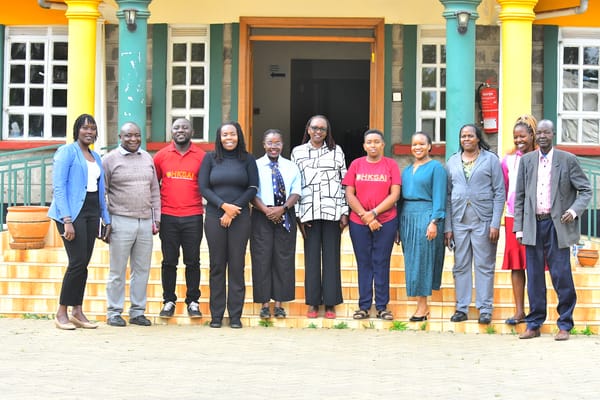
Other leaders present included Emily Biwott, Director of Social Protection; Hon. Regina Chumba, MCA Representative for Persons with Disabilities; Clare Naliaka, Assistant County Commissioner for Kapseret; and Victorine Kapkiai, Chief Officer for Youth Affairs, Sports, ICT and Innovation. Their participation reflected the importance of coordinated leadership in advancing girls’ rights and protection.
Educational Institutions Take Centre Stage
Students and teachers from numerous schools and learning institutions participated in the celebration, including St. Peter’s Kamukunji School, Langas School, Kandie School, Wiruti Senior Secondary School, Hill School Comprehensive, Wareng Senior School, Eldoret Polytechnic, and the University of Eldoret. Their participation reinforced the importance of keeping girls in school and supporting them to pursue their academic and professional goals. Through creative performances, discussions, and presentations, learners actively contributed to conversations on empowerment and leadership.
Advocacy Procession Raises Awareness on Child Marriage and Girls’ Rights
The International Day of the Girl Child 2026 celebrations began with a symbolic flag-off ceremony led by Clare Naliaka, Assistant County Commissioner for Kapseret, on behalf of the Uasin Gishu County Commissioner. The gathering brought together students, government officials, civil society organizations, development partners, and community leaders united by a common goal of protecting girls from harmful practices and promoting their right to education and opportunity.
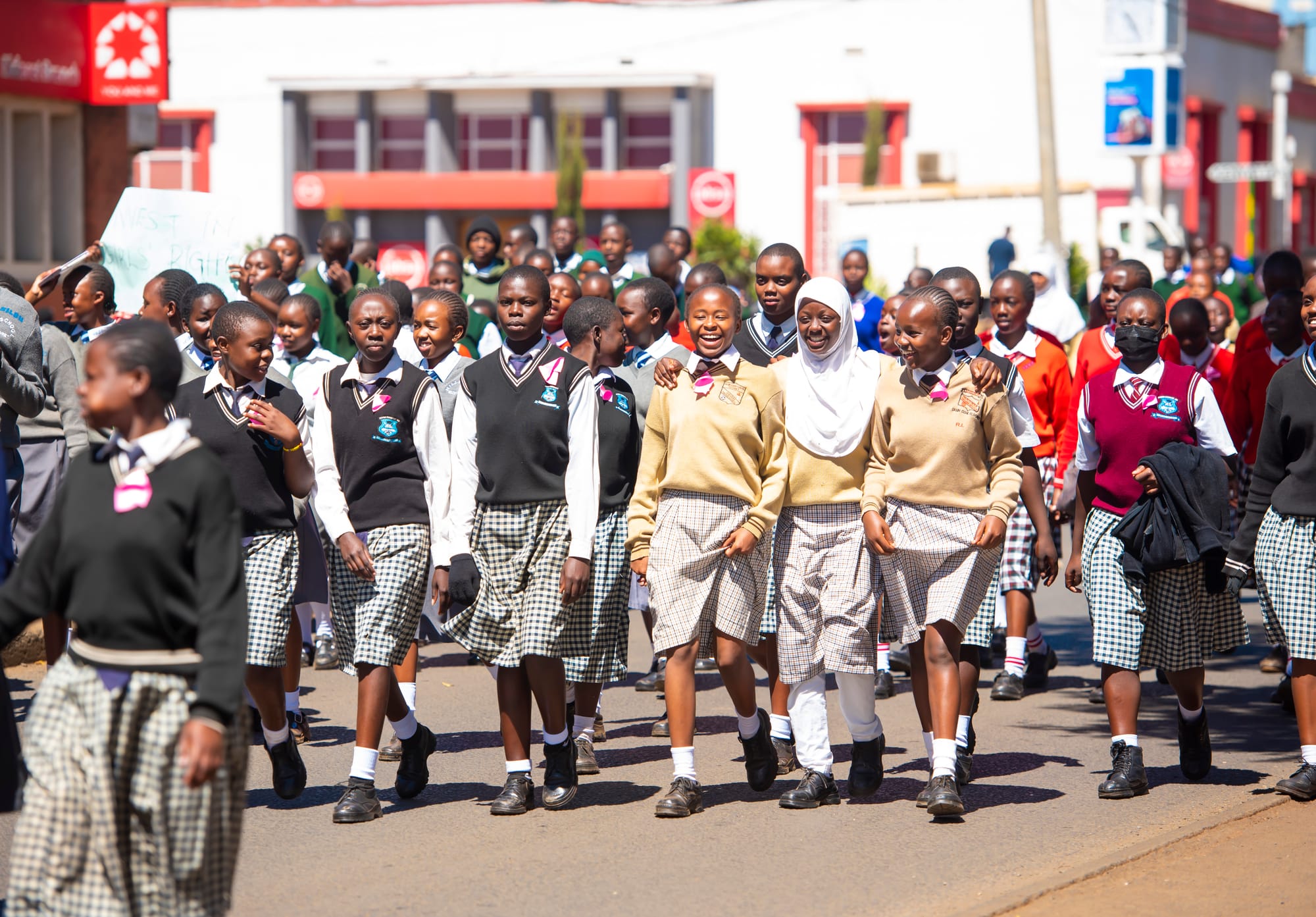
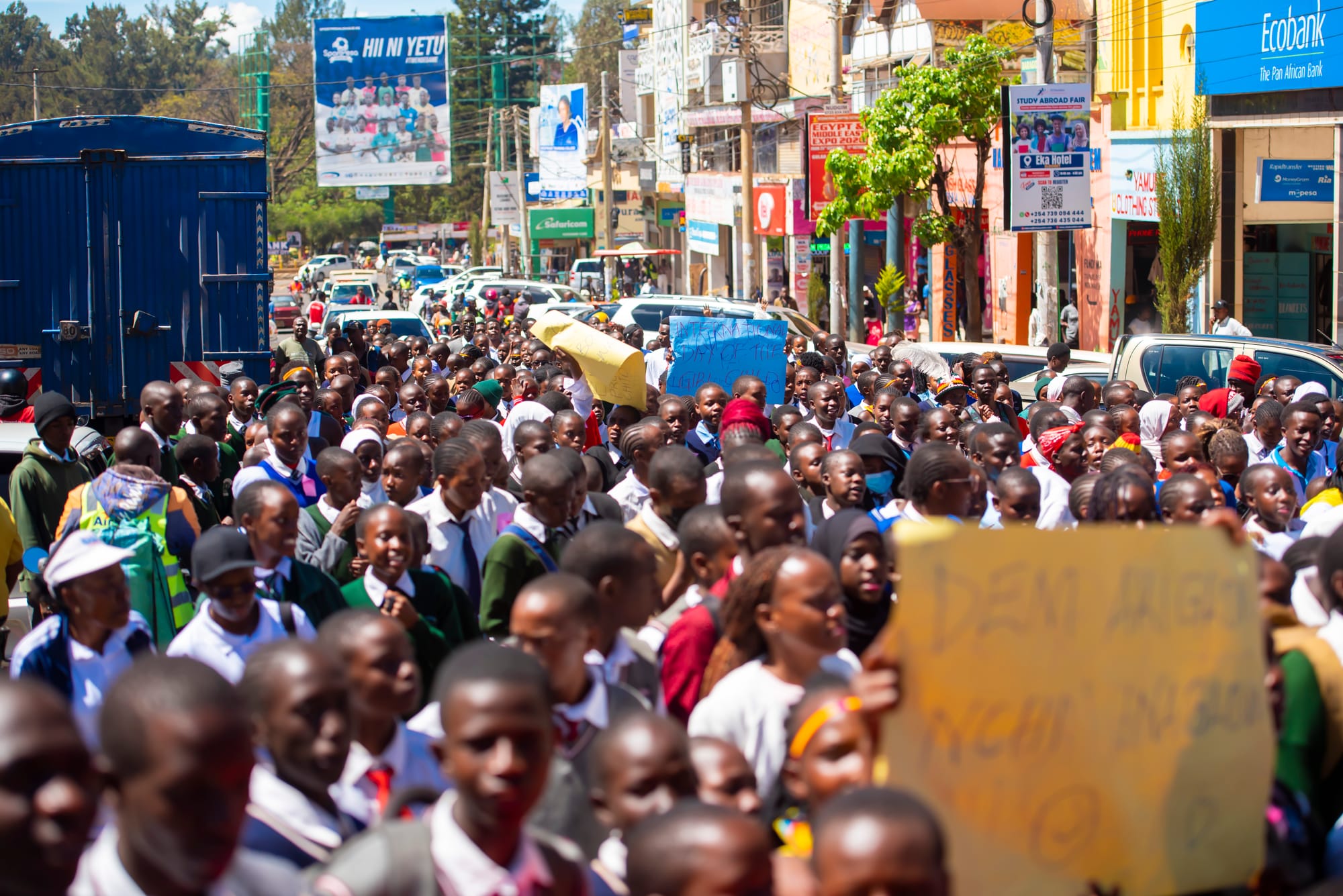
Following the opening ceremony, participants took to the streets of Eldoret in a vibrant advocacy procession that transformed the city into a platform for raising awareness about the challenges facing girls. Accompanied by a marching band, students enthusiastically marched through the town carrying placards and banners calling for an end to child marriage and greater investment in girls’ education and empowerment.
The procession attracted significant public attention, with residents, business owners, and motorists witnessing powerful messages such as “A Girl Is Not a Bride,” “Prevent Child Marriage,” “Mapenzi Si Pressure, Ndoa Si Rash,” “Let Girls Be Girls, Not Brides,” and “Invest in Children’s Rights.” Other messages included “Demu ni Mtoto, Si Bibi,” “Dem Akigrow, Nchi Inaglow,” “Empowering a Child Is Empowering a Nation,” and “Girls’ Rights Are Human Rights.” Displayed in both English and Kiswahili, the messages emphasized that every girl deserves the chance to remain in school, enjoy her childhood, and pursue her dreams without being subjected to early marriage or other harmful practices.
More than just a march, the advocacy procession served as a public call to action for families, schools, community leaders, government institutions, and development partners to work together in protecting girls and creating safe environments where they can thrive. The activity reinforced the commemoration’s central message that investing in girls is essential for building stronger communities and a more prosperous future for all.
Promoting Inclusion and Equal Opportunities
Among the notable speakers was Hon. Regina Chumba, Representative of Persons with Disabilities in the Uasin Gishu County Assembly, who emphasized the need to protect, mentor, and empower girls while ensuring that disability does not prevent any girl from pursuing her dreams. She called for inclusive approaches that ensure girls with disabilities have equal access to education, leadership opportunities, protection services, and mentorship programs.
Inspiring Girls to Break Gender Barriers
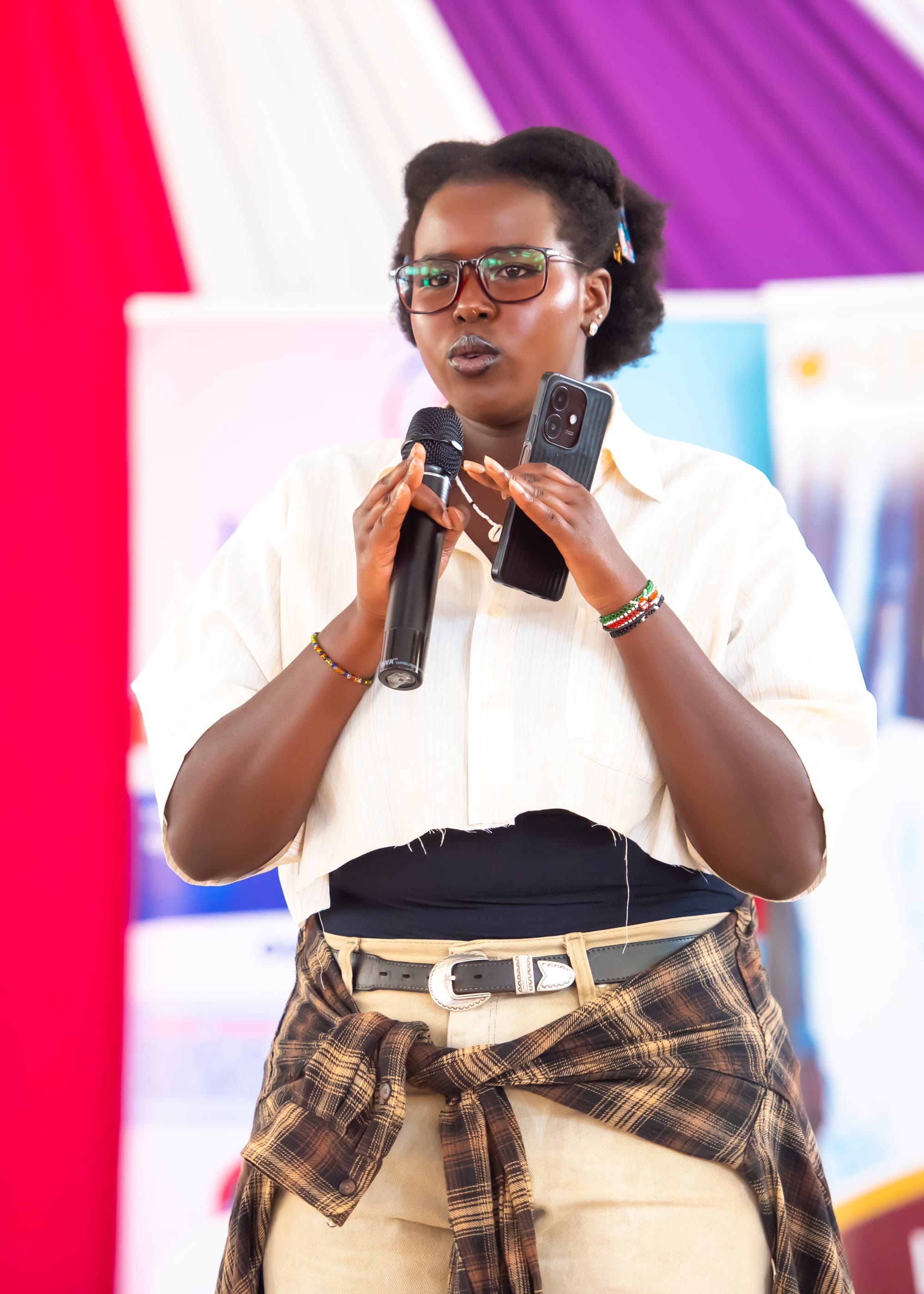
A powerful presentation was delivered by Asneth Chepchirchir, a Civil and Structural Engineering student at the University of Eldoret. Drawing from her personal experience, she challenged harmful gender stereotypes and encouraged girls to pursue careers in science, technology, engineering, and mathematics (STEM) and other professional fields. Her message highlighted the importance of mentorship, equal opportunities, and supportive environments that enable girls to pursue their ambitions without limitation.
Celebrating Girls’ Potential
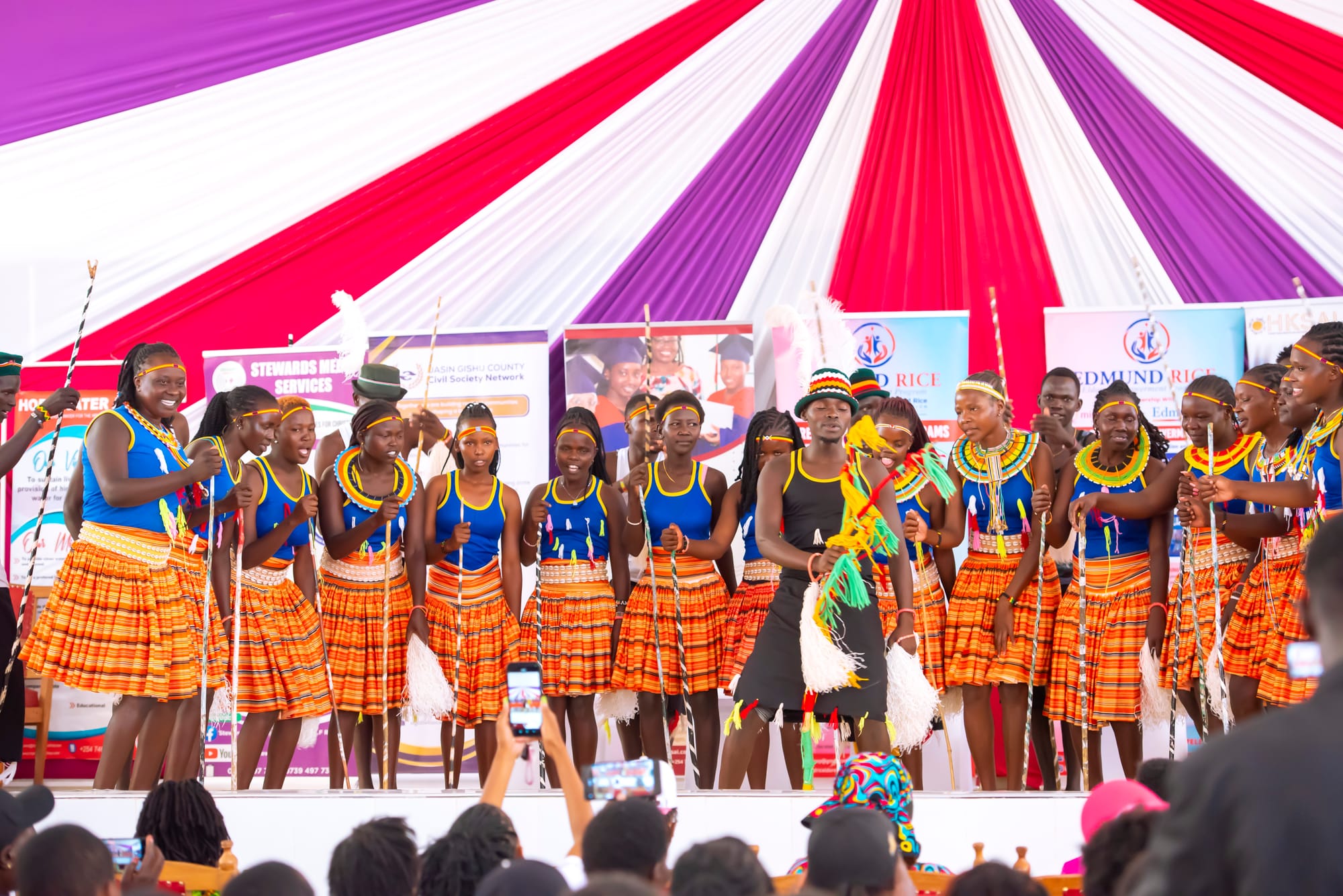
The event also featured poetry, music, dance performances, and other creative presentations by students and youth groups. These performances provided opportunities for young people to express themselves, demonstrate their talents, and contribute to conversations on social change and empowerment.
Girls Speak Out Against Child Marriage and Drug Abuse During International Day of the Girl Child 2026
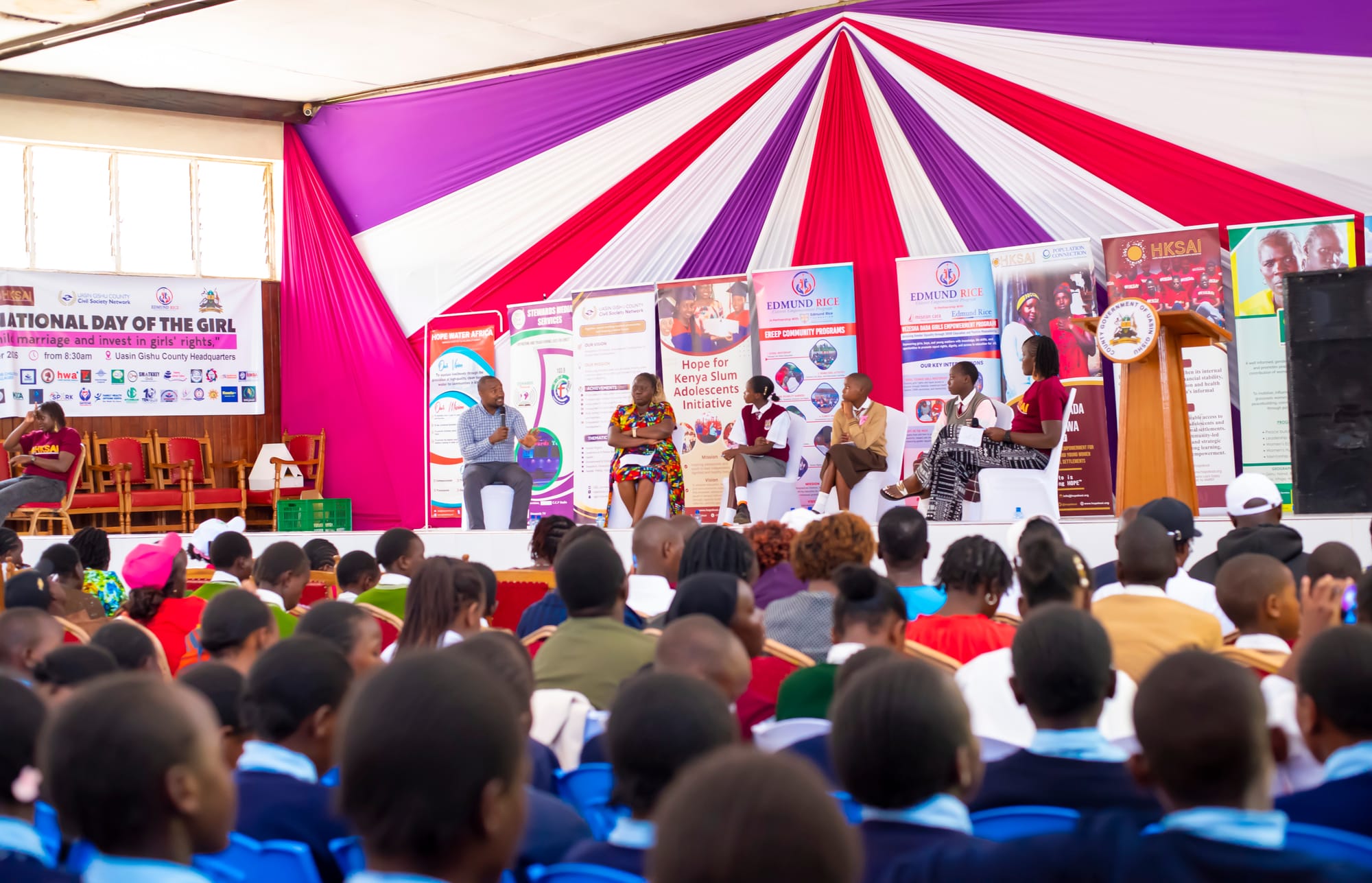
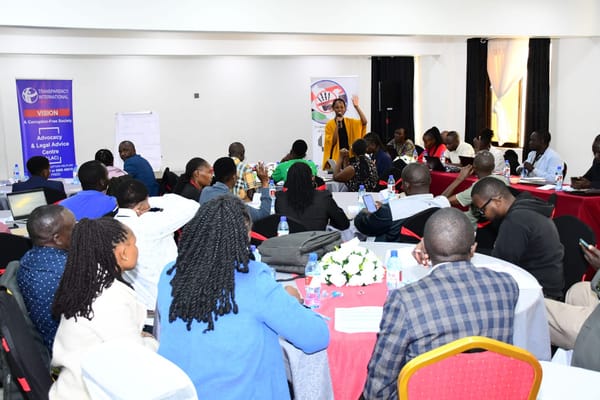
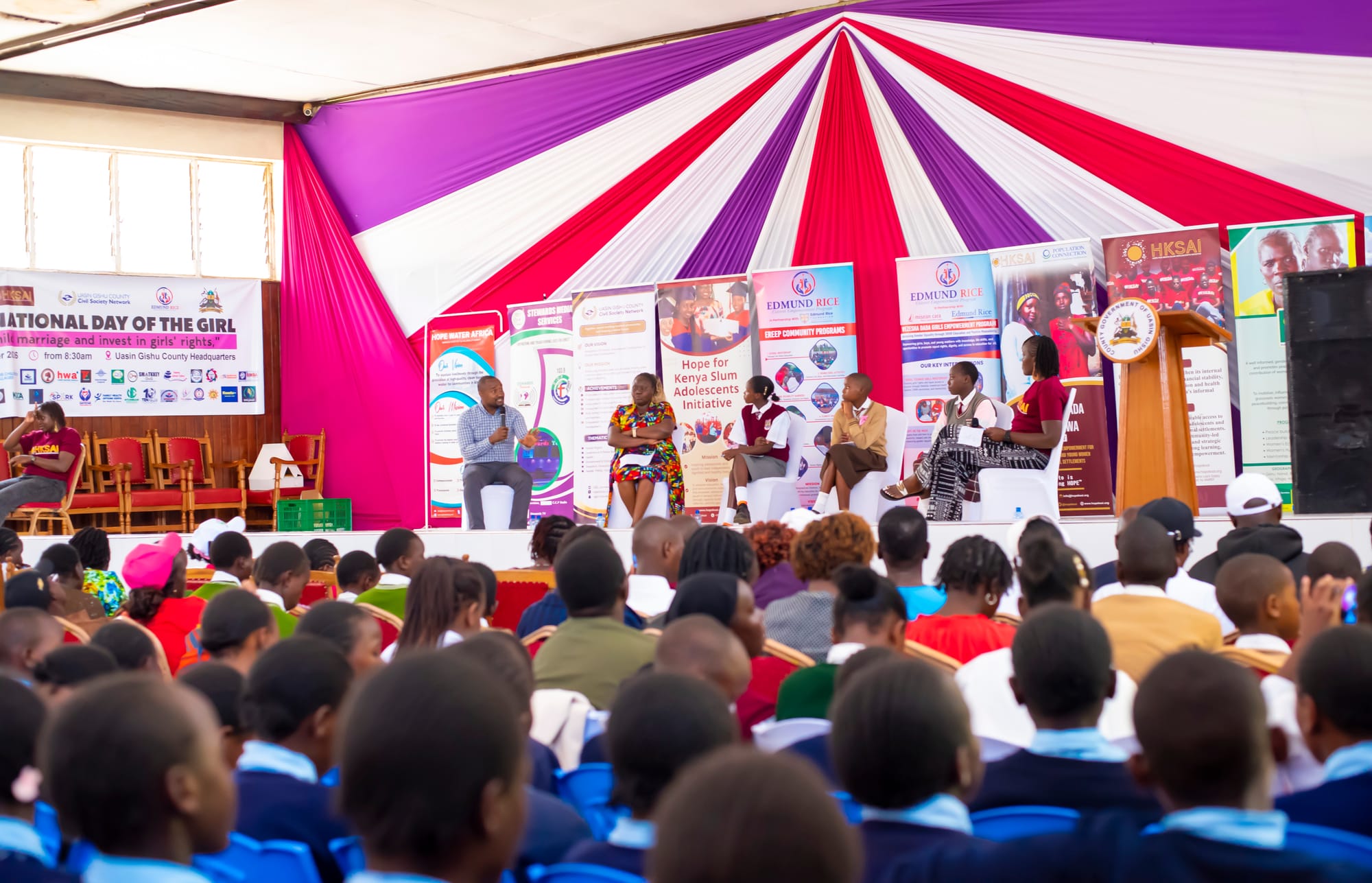
One of the most powerful moments during the International Day of the Girl Child 2026 commemoration in Uasin Gishu County was a groundbreaking Girl-Led Panel Discussion that placed girls at the center of conversations about their rights, education, safety, and future. Organized by Hope for Kenya Slum Adolescents Initiative (HKSAI) and partners, the session gave girls an opportunity to engage directly with government officials, child protection experts, and community leaders on challenges affecting their lives.
Facilitated by Benadine, the discussion was designed to ensure girls moved from being passive participants to active voices in shaping solutions to issues affecting their wellbeing. The panel brought together student representatives, officials from the County Government of Uasin Gishu, and representatives from the Office of the Ombudsman to discuss child marriage, substance abuse, education, child protection, parental support, and access to reporting mechanisms.
Students Raise Alarm on Child Marriage
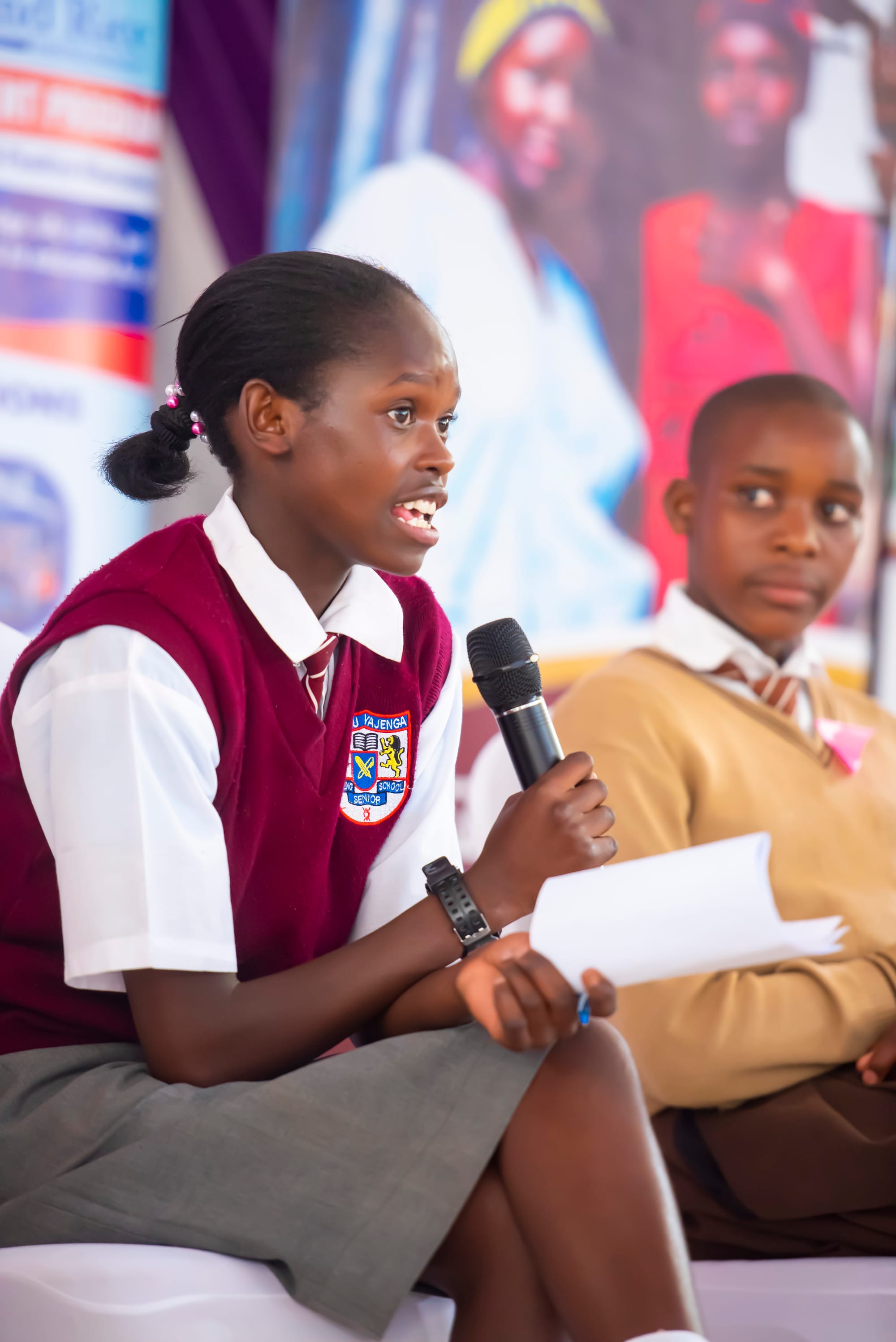
Speaking during the session, Grade 10 learner Roda identified child marriage as one of the greatest threats facing girls in many communities. She challenged the common belief that early marriage represents success or love, describing it instead as a practice that destroys educational opportunities and limits future potential.
Drawing from experiences within her community, Roda recounted cases of bright students who dropped out of school after becoming involved in early marriages. She noted that poverty, harmful cultural expectations, peer pressure, school dropout, and inadequate parental guidance continue to expose girls to the risk of child marriage.The student warned that child marriage often results in early pregnancy, poor health outcomes, emotional distress, financial dependency, and reduced opportunities for personal and professional growth.
“Early marriage is not early love; it is the end of dreams,” she told participants.
Drug Abuse Threatening Young People's Future
The discussion also highlighted the growing challenge of drug and substance abuse among adolescents. Student panellist Marion warned that drug abuse is increasingly affecting young people's health, learning abilities, and decision-making capacity. She identified commonly abused substances, including cannabis, cocaine, and miraa, and cautioned that their use can interfere with academic performance and destroy future opportunities. Marion urged young people to make positive choices and remain focused on their goals.
“Your body is not for experiments, and drugs can steal the future you are working hard to achieve,” she said.
Her remarks reinforced calls for stronger school-based awareness programs, mentorship initiatives, and community support systems aimed at protecting young people from substance abuse.
Encouraging Girls to Make Independent Choices
Esther Atieno of Wiruti Senior Secondary School challenged girls to take responsibility for their future by making informed decisions and resisting peer pressure. She observed that many challenges facing girls, including school dropout, early pregnancy, and substance abuse, are often linked to poor decision-making and negative influences. Esther encouraged girls to develop confidence, remain focused on their ambitions, and seek guidance from trusted adults whenever they face difficult situations.
Her key message resonated strongly with fellow students:
Ombudsman Educates Girls on Child Protection
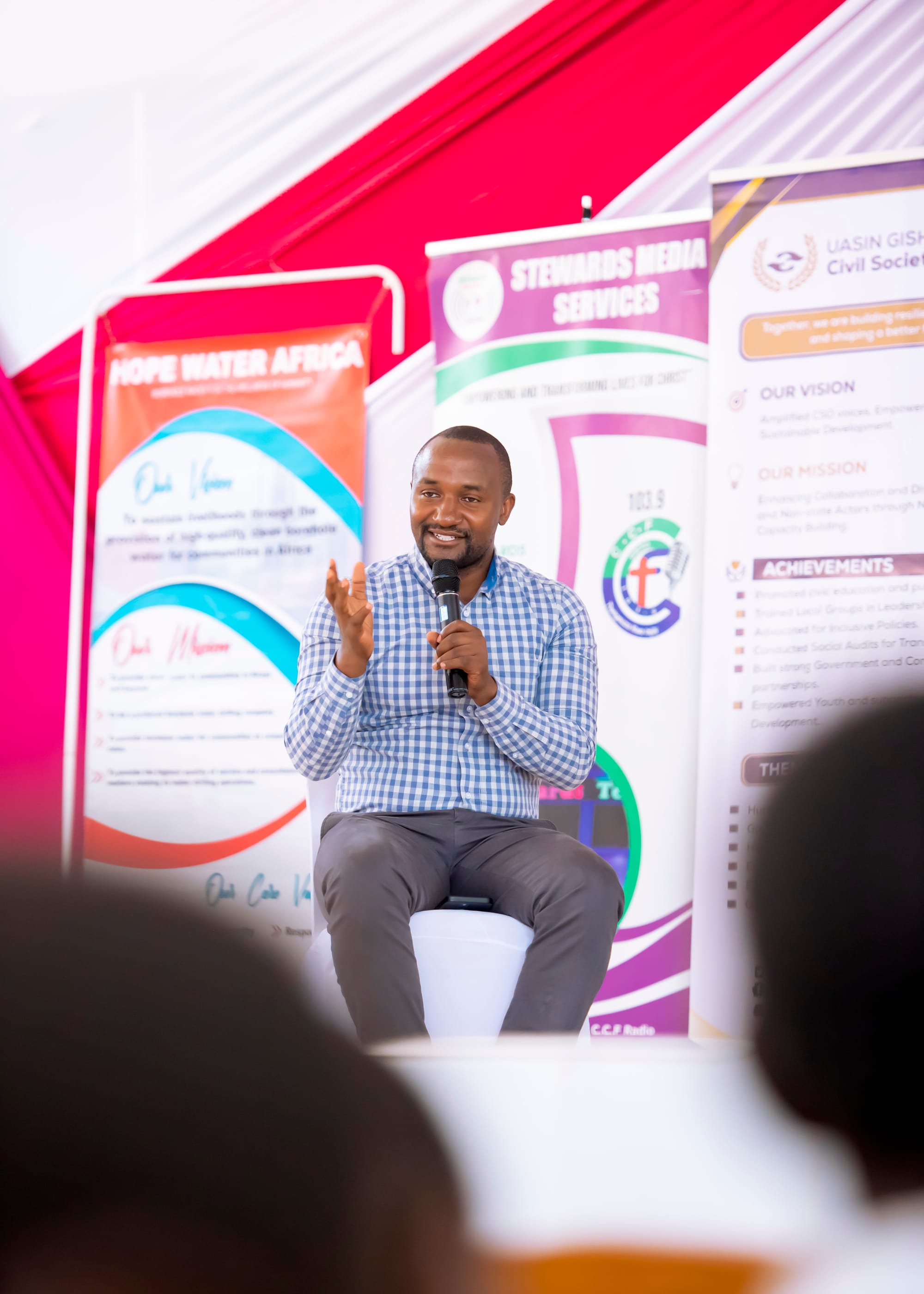
Responding to concerns raised by the students, Douglas Okeyo from the Commission on Administrative Justice (Office of the Ombudsman) provided information on child protection laws and available reporting channels. He emphasized that cases involving child marriage, abuse, neglect, defilement, school dropout, and substance abuse should be reported immediately through schools, children's offices, police stations, local administration offices, and county government departments.
He reminded participants that every child has a right to protection and that public institutions are legally obligated to respond whenever children's rights are violated. Douglas also encouraged learners to look out for one another and report situations where their peers may be at risk.
County Government Reaffirms Support for Girls
Speaking on behalf of the Uasin Gishu County Government, Victorine Kapkiai, Chief Officer for Youth Affairs and Sports, outlined a range of support services for vulnerable children and young people. These include bursaries, social protection programs, safe homes, referral systems, guidance and counselling services, and youth empowerment initiatives.
She encouraged girls to stay in school, seek available educational support opportunities, report abuse, and remain committed to their dreams.
Victorine emphasized that while government institutions provide support mechanisms, personal responsibility and positive decision-making also play a crucial role in determining future success.
Interactive Session Highlights Key Challenges
The panel concluded with an engaging question-and-answer session, where students raised concerns about teenage pregnancy, child marriage, sexual abuse, menstrual health, lack of educational sponsorship, poverty, and accountability in programs targeting children. Government and institutional representatives responded by explaining available support services and encouraging early reporting of concerns.Girls' Voices Must Be Heard
The Girl-Led Panel Discussion emerged as one of the most impactful sessions of the commemoration, demonstrating the value of creating safe spaces where girls can openly discuss issues affecting their lives. The conversation highlighted that child marriage, poverty, harmful social norms, and substance abuse continue to threaten girls' futures, while education, mentorship, protection, and empowerment remain critical pathways to success.
The session concluded with a strong call for families, schools, communities, government institutions, and development partners to listen to girls, invest in their education, and ensure they have the support needed to achieve their full potential. As participants repeatedly affirmed throughout the discussion, girls are not merely beneficiaries of development programs but leaders and change-makers whose voices matter in shaping a better future.
Leaders Call for Greater Investment in Girls’ Education
The chief guest, Moiben Member of Parliament Prof. Phyllis Bartoo, emphasised the transformative role of education in preventing child marriage and empowering girls to become independent, productive members of society. She called on the County Government and other stakeholders to strengthen educational support and expand opportunities that enable girls to complete their studies and prepare for meaningful careers.
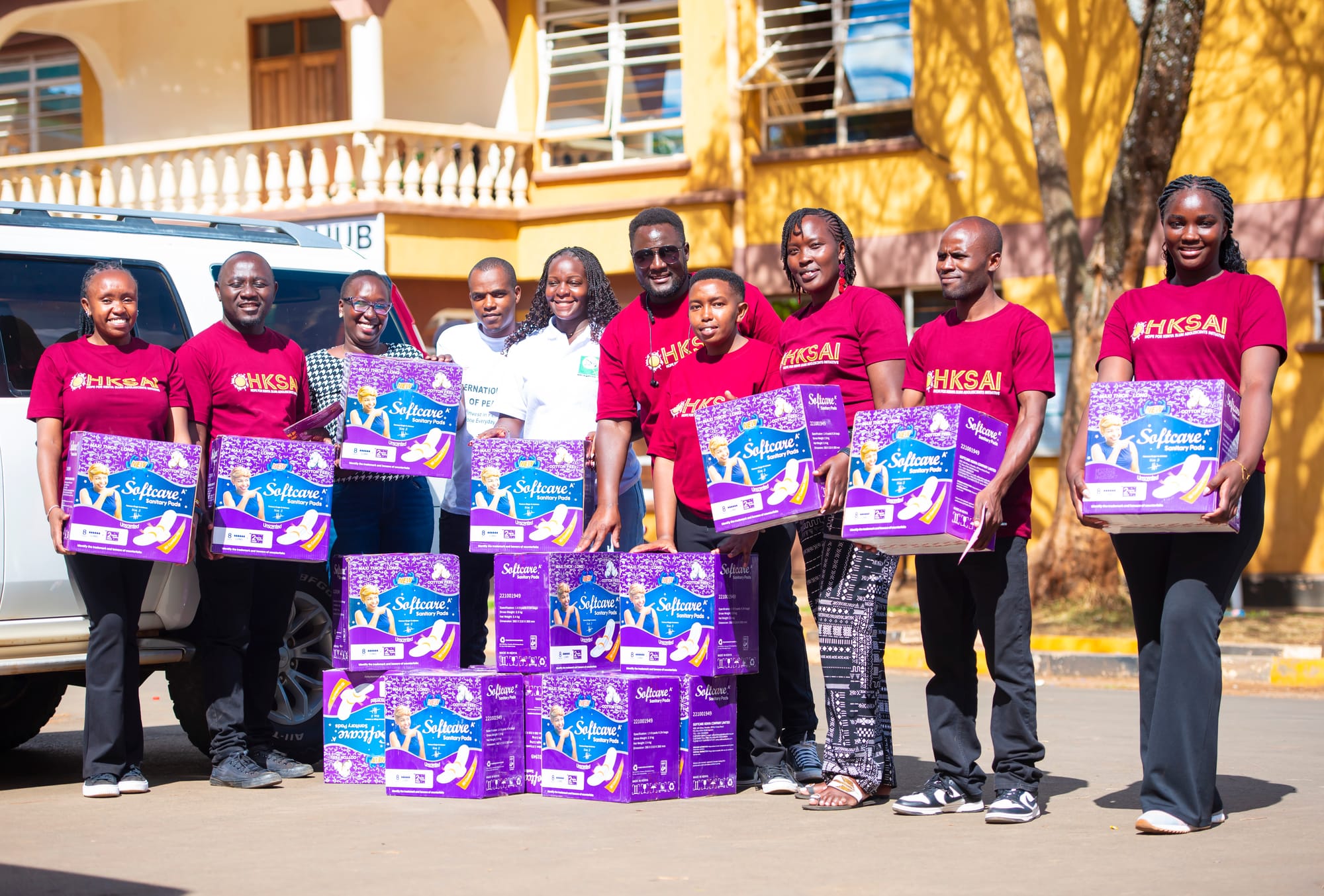
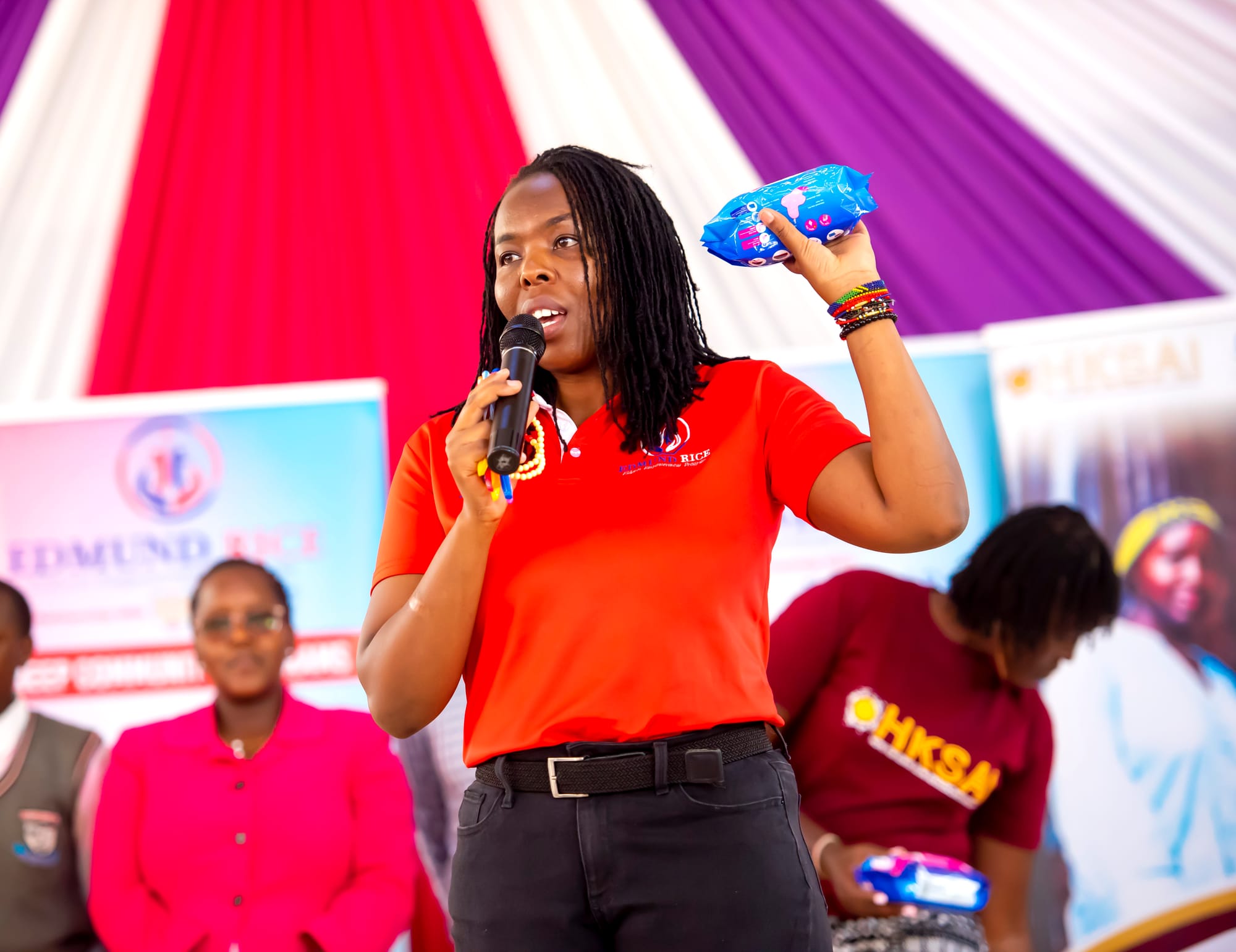
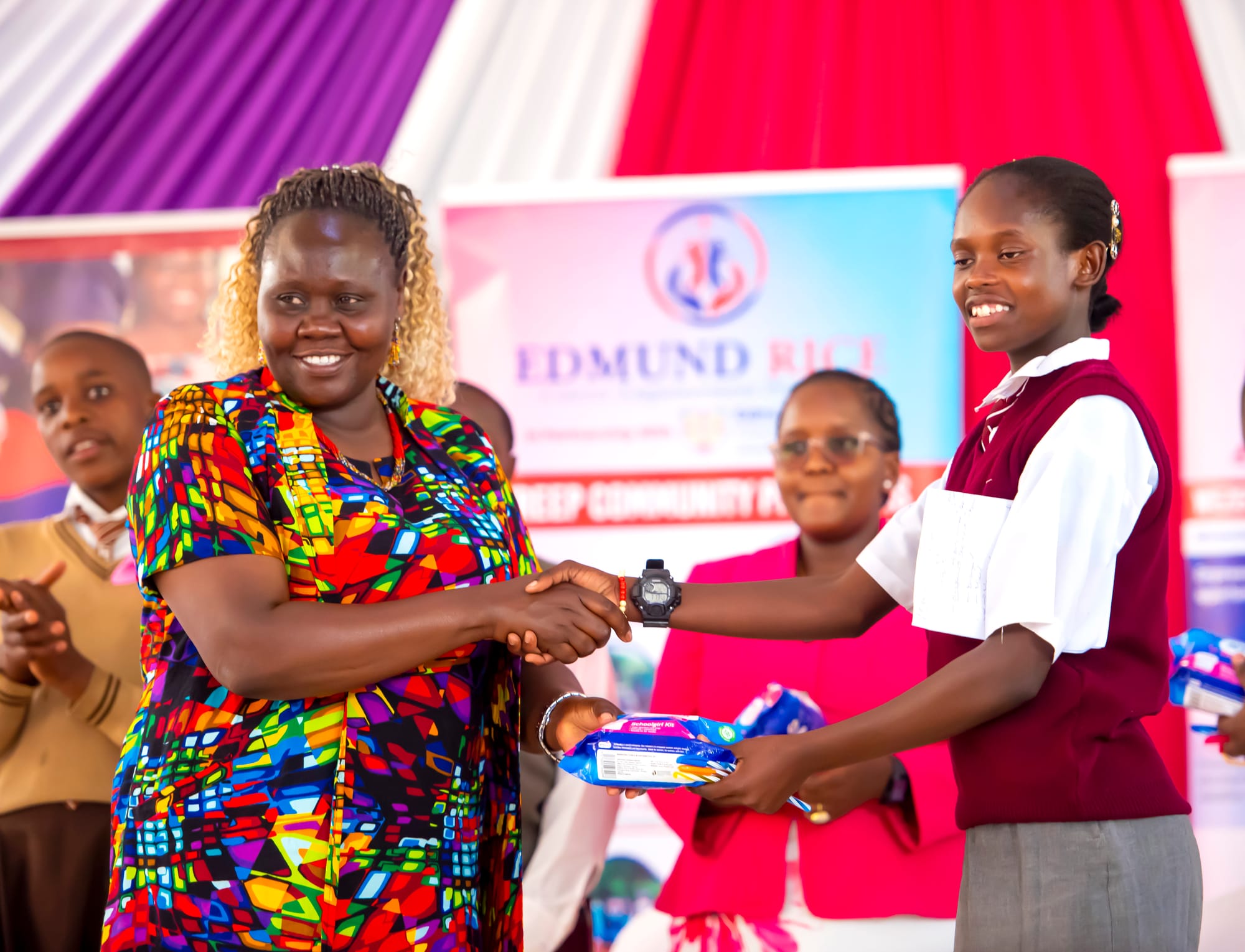
Prof. Bartoo also distributed sanitary pads to girls in attendance, reinforcing the importance of menstrual health, dignity, and access to essential supplies in supporting girls’ continued participation in education.
Speaking on behalf of the county leadership, Marion Birgen, Chief Officer for Gender and Social Protection, reaffirmed the county government's commitment to protecting children from abuse, exploitation, violence, and neglect. Victorine Kapkiai, Chief Officer for Youth Affairs, Sports, ICT and Innovation, highlighted available support mechanisms, including bursaries, safe homes, guidance services, and youth empowerment programmes.
Hon. Regina Chumba, the Uasin Gishu County Assembly representative for persons with disabilities, called for inclusive approaches to girls’ empowerment, emphasising that disability should never prevent a girl from pursuing her dreams.
The event also featured a presentation by Asneth Chepchirchir, a second-year Civil and Structural Engineering student at the University of Eldoret. Drawing from her academic journey, she challenged gender stereotypes that limit girls’ participation in science, technology, engineering, mathematics, leadership, and other professional fields.
Strengthening Child Protection and Accountability
The participation of the Commission on Administrative Justice, commonly known as the Office of the Ombudsman, strengthened discussions on child protection, public accountability, and access to support services.
Douglas Okeyo encouraged learners to report cases of abuse, neglect, child marriage, exploitation, and other violations through appropriate channels, including teachers, school administrators, children’s officers, police stations, local administration offices, and relevant county departments.
He further explained that complaints can be escalated to the Office of the Ombudsman where public institutions fail to respond appropriately. His presentation highlighted the importance of responsive institutions and accessible reporting mechanisms in safeguarding children’s rights.
An advocacy procession through Eldoret City also amplified the campaign's message to the public. Accompanied by a marching band, students carried placards bearing messages such as “A Girl Is Not a Bride,” “Let Girls Be Girls, Not Brides,” and “Girls’ Rights Are Human Rights.” The procession encouraged communities to reject child marriage and support girls’ education, dignity, and protection.
HKSAI Reaffirms Its Commitment to Education and Empowerment
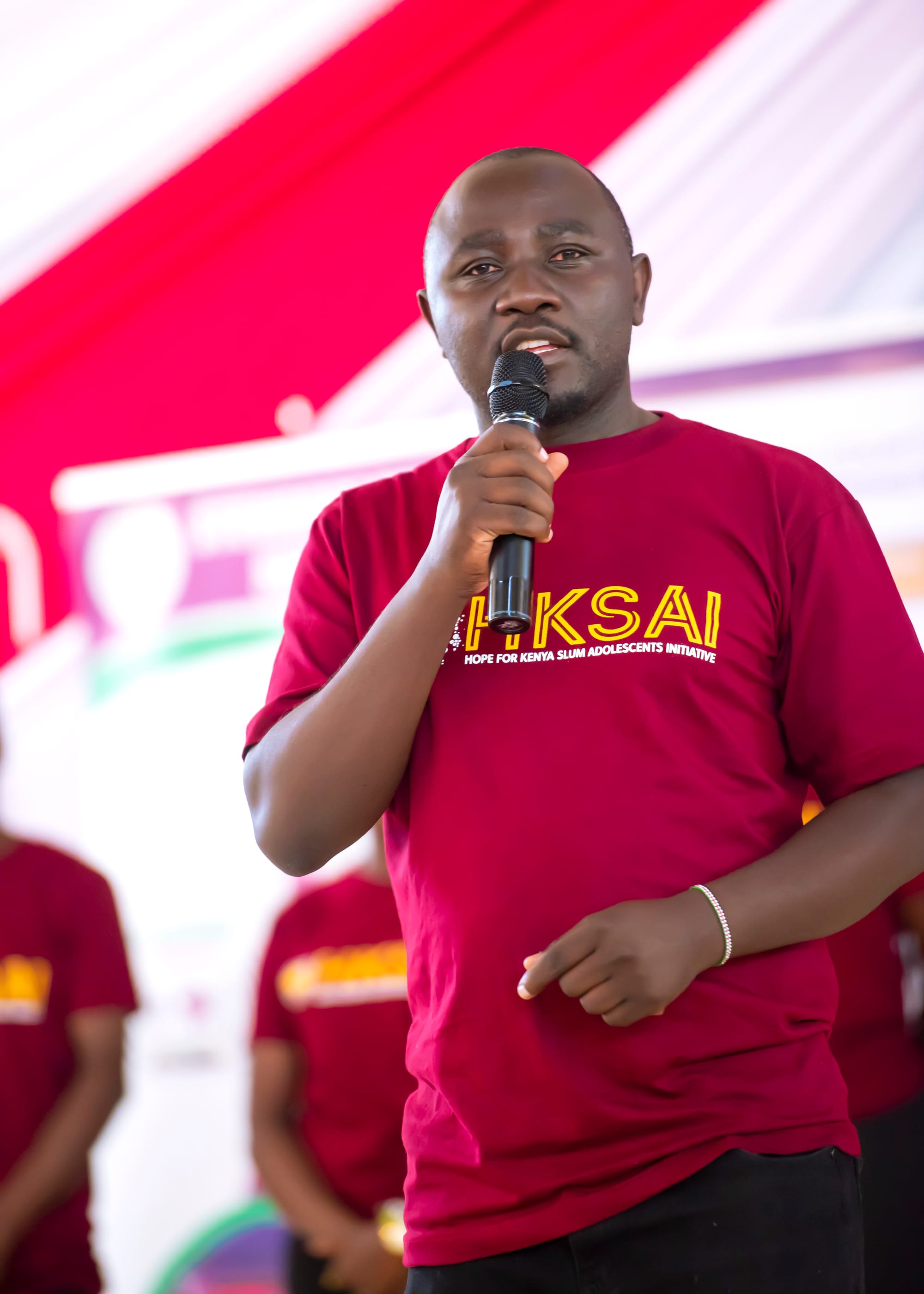
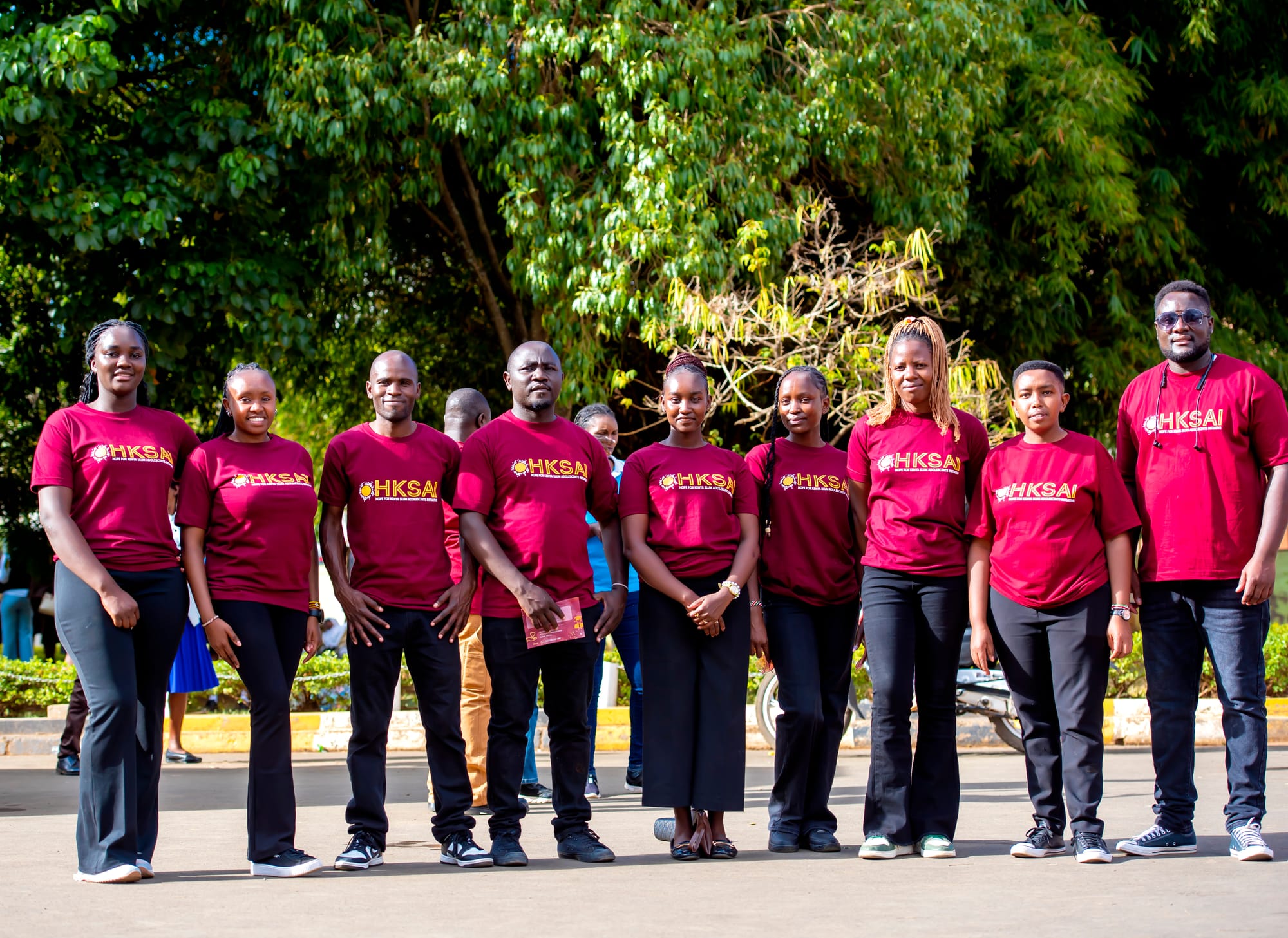
Representing HKSAI, Operations Manager Willis Mulaa acknowledged the contributions of the organising team, government representatives, schools, civil society organisations, and development partners. He conveyed greetings from the organisation’s Founder and Director, Dr. Melvine Ouyo, who was unable to attend because she was out of the country.
Mr. Mulaa highlighted HKSAI’s commitment to expanding educational opportunities through scholarships, school mentorship, and community outreach programmes. He noted that the organisation supports nearly 200 secondary school beneficiaries, alongside students pursuing higher education, and shared the story of its founder, whose journey through financial and social challenges demonstrates the power of perseverance and educational opportunity.
He encouraged girls to remain focused on their ambitions, emphasising that their backgrounds should not determine the limits of their dreams. He also highlighted HKSAI’s expanded educational support for boys, recognising the importance of inclusive community development.
Mr. Mulaa called for stronger county ownership of future International Day of the Girl Child commemorations to sustain the gains made through collaboration between government and civil society partners.
Trauma Awareness, Emotional Wellness and Healing
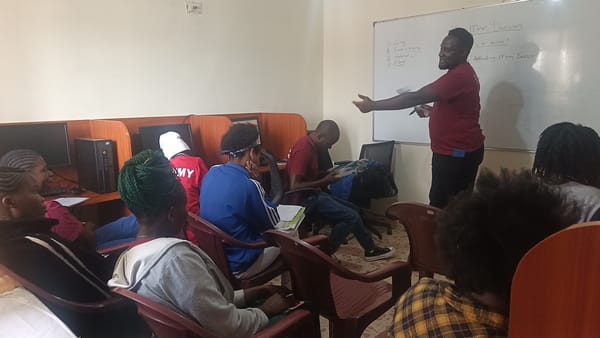
The session on trauma awareness, emotional wellness, and healing was facilitated by Dr. Becky Omolo, a lecturer at the Catholic University of Eastern Africa (Gaba Campus), cancer survivor, founder of Soles Cancer Foundation Kenya, and a representative of the Parents Association. The session sought to help participants understand the impact of painful life experiences on their emotional and psychological wellbeing and to encourage positive coping and healing mechanisms.
Dr. Omolo emphasized that many children and young people silently carry emotional burdens arising from difficult experiences such as loss of a loved one, domestic violence, illness, poverty, bullying, neglect, betrayal, abuse, and family conflicts. She explained that unresolved trauma can affect self-esteem, relationships, learning, decision-making, and overall wellbeing. The session encouraged participants to recognize that seeking support and healing is a sign of strength rather than weakness.
Recognizing and Acknowledging Painful Experiences
Dr. Omolo described trauma as an emotional and psychological response to frightening, painful, overwhelming, or distressing experiences. She encouraged participants to reflect on their own life experiences and identify situations that may have caused pain, fear, anger, disappointment, or emotional distress.
Participants were reminded that healing begins with acknowledging painful experiences instead of suppressing them. The facilitator encouraged learners to accept their experiences, seek support from trusted individuals, and recognize that they are not alone in facing challenges. The discussion reinforced the importance of self-awareness, emotional expression, forgiveness, and resilience as key components of the healing process.
Therapeutic Reflection and Symbolic Healing Exercise
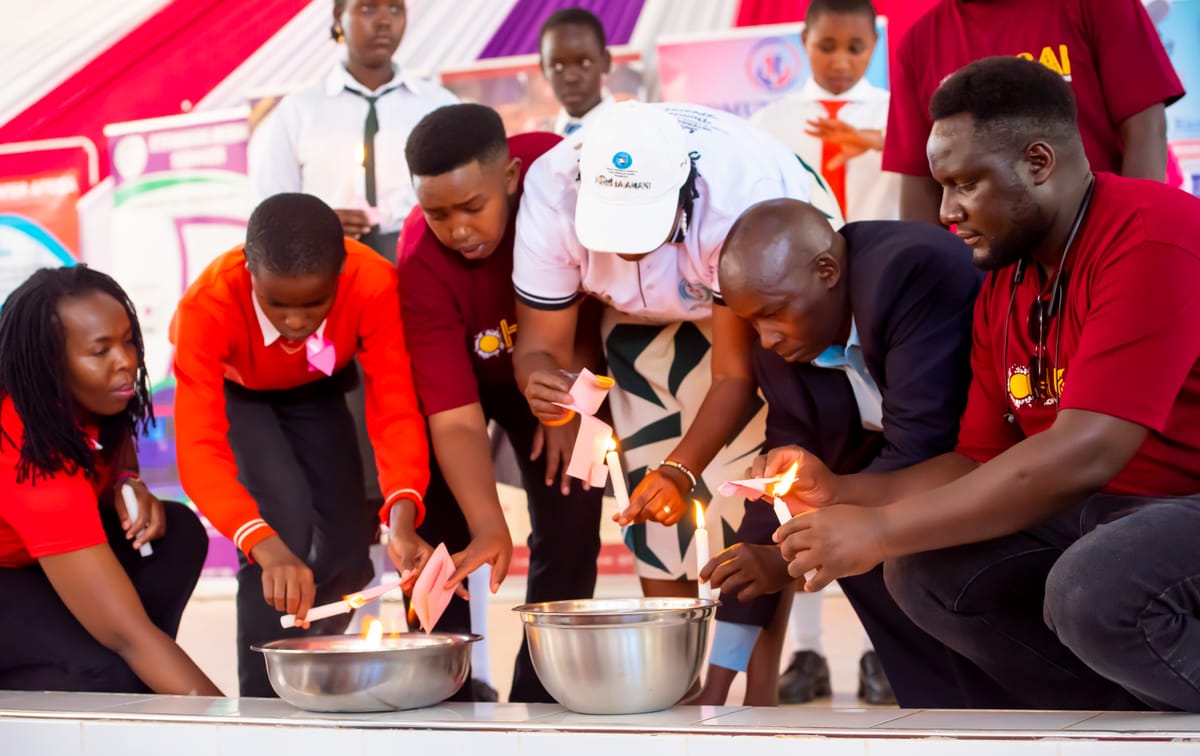
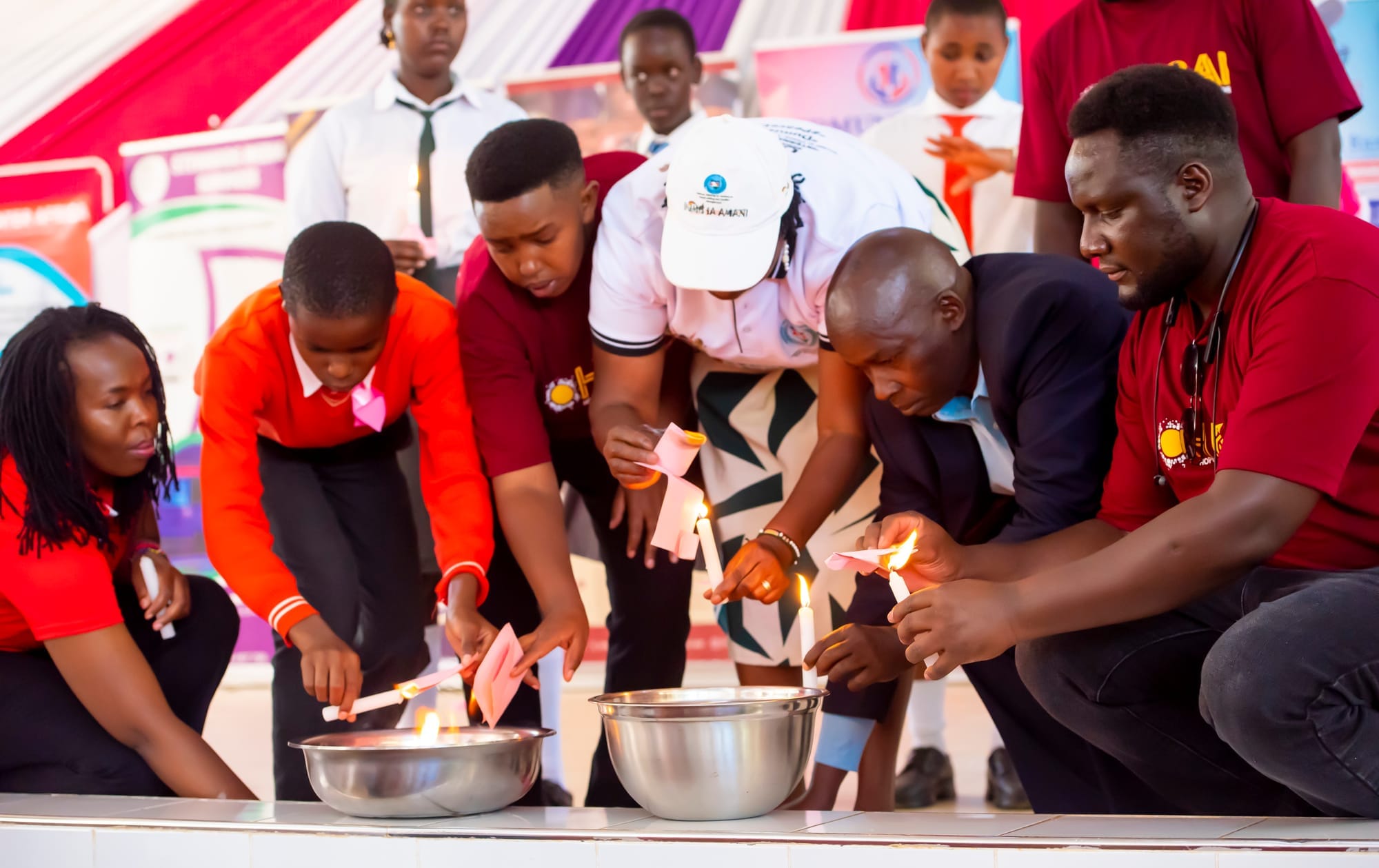
A key component of the session was a guided therapeutic exercise in which participants were invited to write down painful experiences, fears, disappointments, or emotional burdens they had carried in their lives. The activity was presented as a form of reflective “paper therapy” aimed at helping participants release emotional pain in a safe and private manner.
Participants were assured that the written reflections would not be read publicly. Instead, the papers were collected and symbolically burned as a representation of letting go of past pain, trauma, fear, resentment, and negative experiences. The exercise encouraged participants to embrace forgiveness, healing, and personal growth while focusing on a more hopeful future.
The symbolic activity was accompanied by prayers, reflections, and messages of encouragement emphasizing restoration, resilience, and new beginnings. Participants were reminded that while symbolic activities can support emotional healing, individuals requiring additional assistance should seek professional counselling and psychosocial support.
The session reinforced the importance of psychosocial support, mentorship, and safe spaces where young people can discuss challenges and access appropriate assistance.
Building Partnerships for Lasting Change
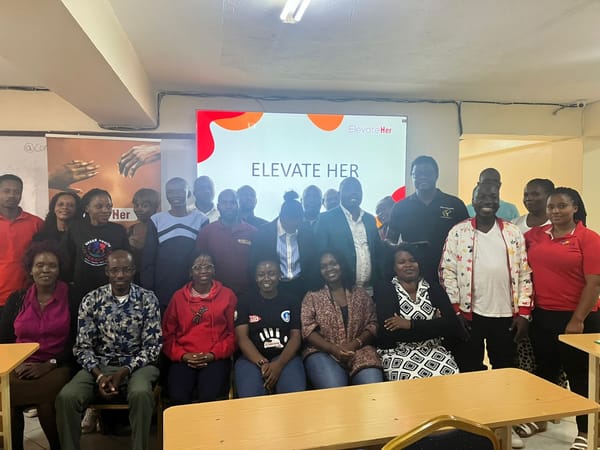
The event brought together a broad network of organisations working in education, health, child protection, youth empowerment, media, peacebuilding, and community development. Participating partners included Family Health Options Kenya, SOS Children’s Villages Kenya, Stewards TV, Elevate Livelihoods Peace and Advocacy (ELPA), the Uasin Gishu County Civil Society Network, and other organisations. Their participation demonstrated the importance of coordinated action in addressing the social and economic barriers that place girls at risk. The discussions called for stronger community awareness, expanded mentorship and career guidance, improved school retention, disability inclusion, substance-abuse prevention, and better access to child-protection and counselling services.
A Call to Protect Every Girl’s Future
The International Day of the Girl Child 2026 commemoration concluded with a powerful call to action, reaffirming that ending child marriage and advancing girls’ rights requires the collective efforts of families, schools, government institutions, civil society organizations, and communities. Throughout the event, participants emphasized that education, protection, mentorship, emotional wellbeing, and equal opportunities remain critical in enabling girls to reach their full potential and become confident leaders of tomorrow.
For Hope for Kenya Slum Adolescents Initiative (HKSAI) and its partners, the commemoration served as a renewed commitment to invest in programs that protect vulnerable children, expand access to quality education, strengthen child protection systems, and empower young people to build brighter futures. Stakeholders pledged to continue working together to ensure that every girl is safe, heard, educated, and equipped with the opportunities needed to thrive.
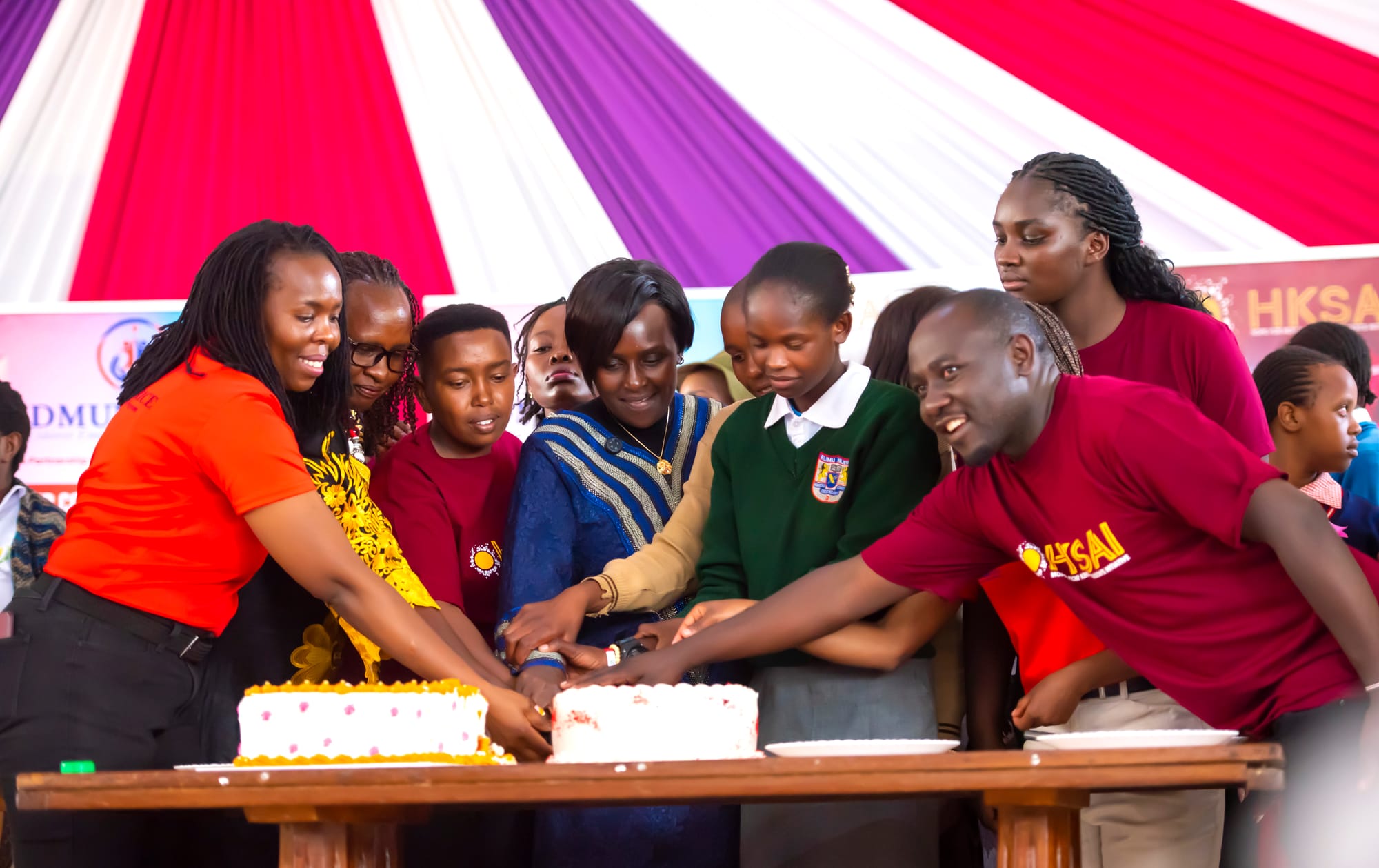
The event concluded with a cake-cutting ceremony symbolizing hope, unity, and a collective commitment to girls’ empowerment, followed by the distribution of dignity packs to students to support their health, confidence, and continued participation in education.
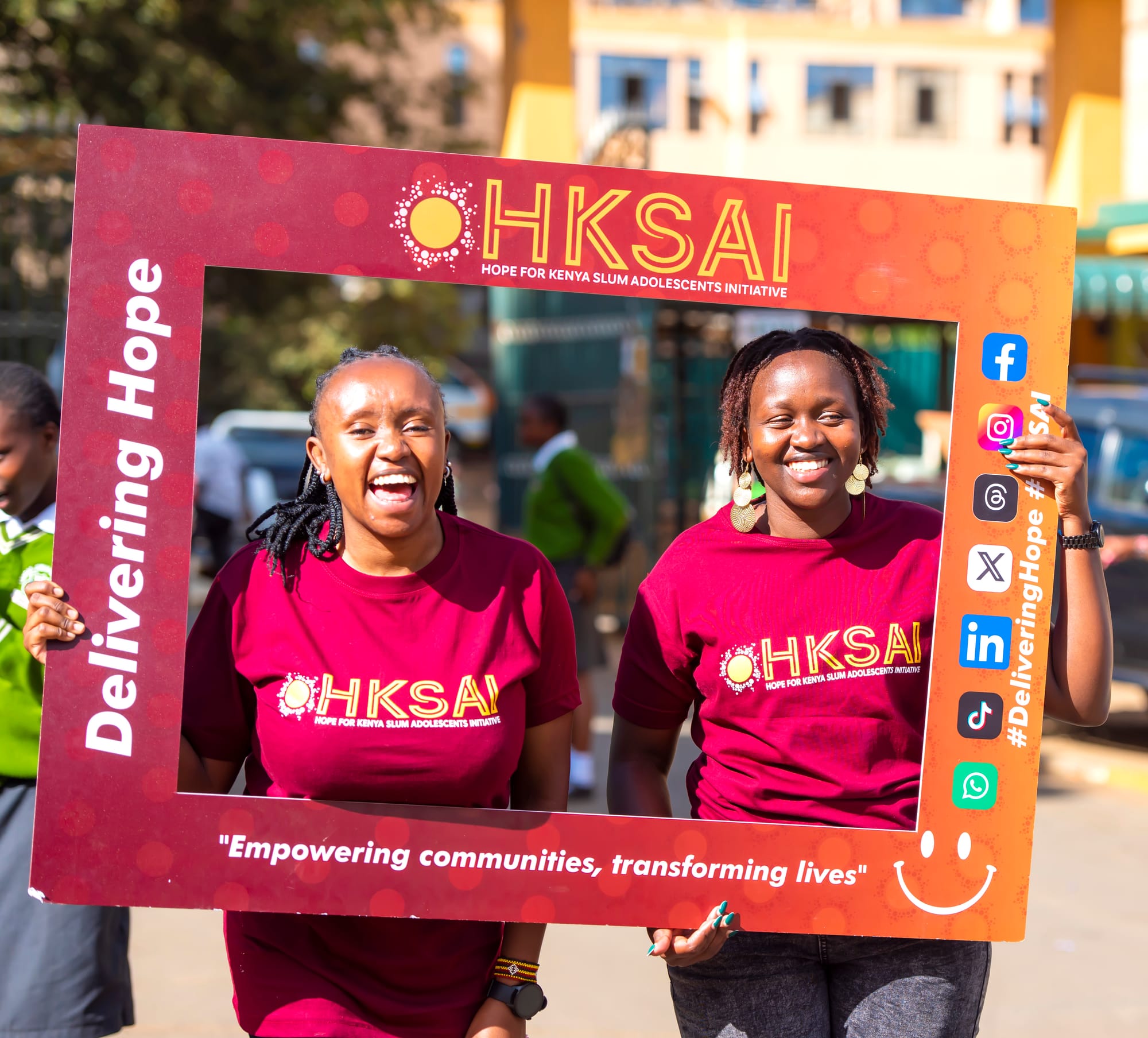
The closing activities reinforced the event’s enduring message that investing in girls is investing in stronger families, resilient communities, and a more equitable future for all.
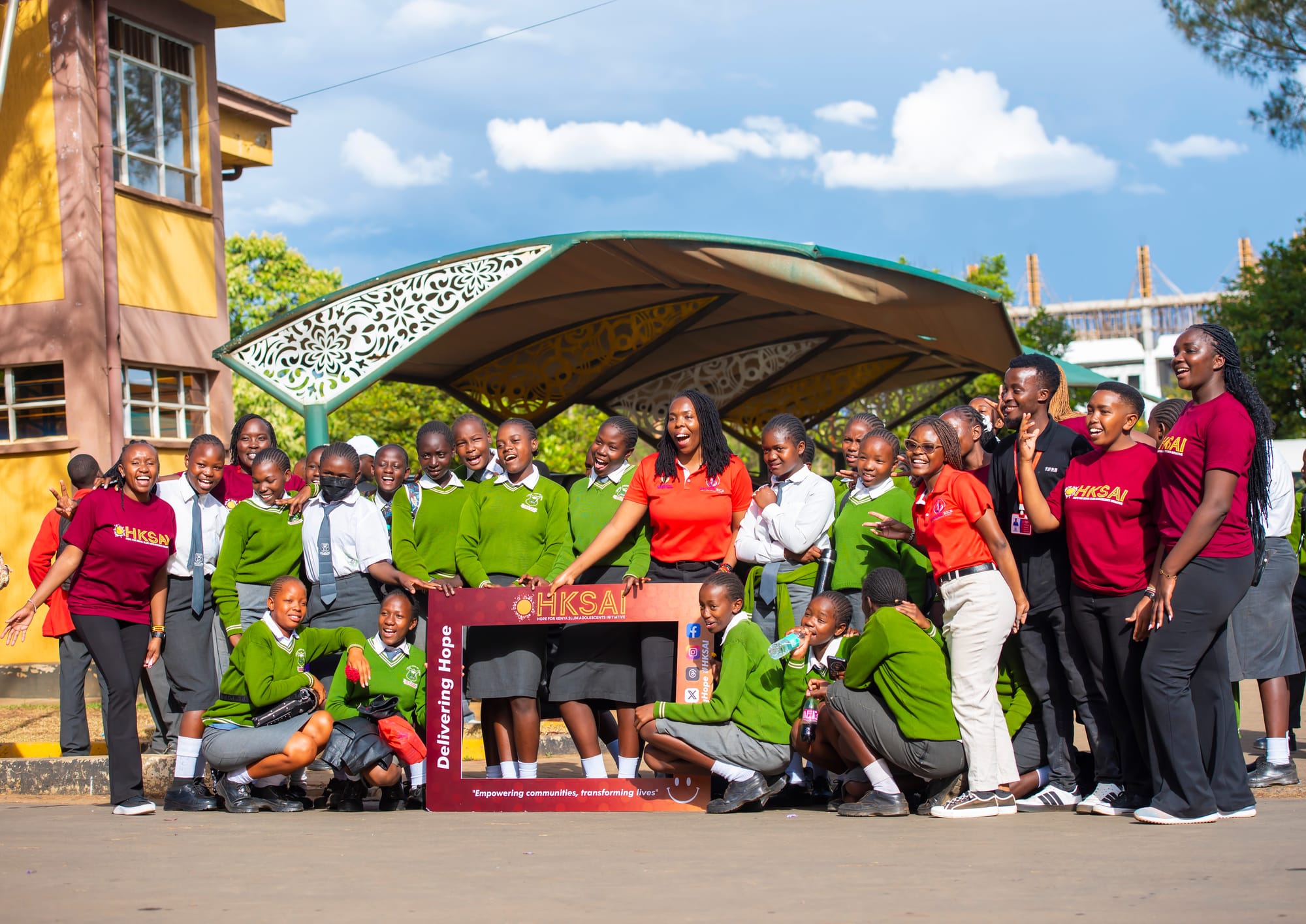
Girls’ dreams are valid, their voices matter, and investing in girls is investing in the future of families, communities, and society.
Hope for Kenya Slum Adolescents Initiative (HKSAI) remains committed to advancing education, child protection, mentorship, and inclusive empowerment opportunities for vulnerable children and young people.